Categories
Cooking Techniques

How to Salvage an Over-Baked Bundt Cake

O.K. It happens to us all. We’re experimenting with a new recipe… We get sidetracked by something else… We’re using an oven we haven’t used before… and our Bundt cake gets over baked. It’s not burned, but it is now kind of dry and the crust is a bit too brown.

What do you do? Throw it out?

No! You can salvage that partially O.K. Bundt cake by transforming it into another dessert. Here are a couple of ideas.

How to Salvage an Over-Baked Bundt Cake

Make a Trifle

You can cut off the over-brown crust and cube the salvageable inside. Then layer it with fruit and pudding in a trifle dish. Make sure that you don’t start or end with the cake cubes… that way you can make sure that the fruit and pudding are moistening it up from both sides.

Make a Mock Bread Pudding

Cut off the over-brown crusts and cube the salvageable inside. Toss the cubes into a 13 x 9-inch baking dish and pour some milk or soy milk over it… to just about 1/2 the height of your layer of cubes. That’ll be about 1 to 1-1/2 cups. Let that soak in the refrigerator for about an hour or so, until all the liquid is soaked up. You may have to stir the mixture up about half-way through.

Now take some instant pudding mix and follow the directions on the box. Just before it starts to thicken, pour it over the cake cubes. Mix until all the cubes are coated and/or soaked. Press down to even up the top. Put back into the refrigerator and let the pudding set.

Top with whipped topping and serve!

Of course, there are other ways you can salvage an over-dry Bundt cake… make fancy french toast, make a real bread pudding… let your imagination soar!

[divider]

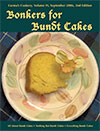
[one_fourth] Bonkers for Bundt Cakes by Carma Spence [/one_fourth]
[three_fourth_last] Looking for a few more Bundt cake recipes to try? Don’t have a lot of time, but want a tasty Bundt cake? Bonkers for Bundt Cakes just may be the cookbook for you. Filled with “made from cake mix” recipes, as well as a couple from scratch, this simple cookbook is sure to please. Learn more and grab your copy at CarmasCookery.com/bundtcakes. [/three_fourth_last]

Categories
Recipes

Sweet Potato and Avocado Breakfast “Toast”

This hearty and satisfying breakfast recipe will get your day off to a great start. Although it can be prepared in 30 minutes, you can save even more time on busy weekday mornings by roasting a large batch of sliced sweet potatoes ahead of time. Simply store the pre-cooked slices in the refrigerator in an airtight container, and then pop them under the broiler or in a toaster oven to warm through before serving.

Sweet Potato and Avocado Breakfast “Toast”

Ingredients

  • 1-2 medium sweet potatoes, sliced ¼” thick (8 slices total)
  • 2 Tablespoons extra virgin olive oil, divided
  • 8 large eggs
  • 2 ripe avocadoes
  • 1 medium tomato, seeded and diced
  • 1/2 cup fresh cilantro, chopped
  • 3 Tablespoon fresh lime juice
  • Sea salt and black pepper, to taste
  • Smoked paprika, for garnish (optional)

Directions

  1. Preheat oven to 425 degrees F and place a wire rack inside a large, rimmed baking sheet. Spray rack with non-stick cooking spray and set aside.
  2. While the oven is heating, mash the avocadoes in a medium bowl with a fork. Add tomatoes, cilantro, and lime juice. Season with salt and back pepper, to taste, and stir to combine. Set aside.
  3. Arrange the sweet potato slices on the prepared wire rack and place in the preheated oven for 15-20 minutes or until slices are fork-tender, turning once halfway through cooking. Remove from oven and set aside.
  4. While the sweet potato slices are cooking, heat half the olive oil in a large non-stick sauté pan over medium-low heat. Add 4 eggs and season with salt and black pepper, to taste.
  5. Cover the pan and cook until the whites are set and the yolks are done to the desired consistency, around 3-5 minutes. Remove lid and transfer eggs to a plate and keep warm. Repeat with the remaining 4 eggs.
  6. To serve, top each sweet potato slice with a spoonful of fresh guacamole and a warm sunny-side-up egg. Sprinkle with smoked paprika, if desired.

Carma's Cookery Creative Cooking Tips

  • Don’t like your eggs sunny side up? Try this recipe with your eggs over hard, scrambled or even poached.
  • Like your guacamole spicey? Add in some red pepper flakes.
  • Avocados not in season? Use store-bought guacamole. I’ve found that the frozen varieties often taste better than the refrigerated ones.
Categories
Healthy Living

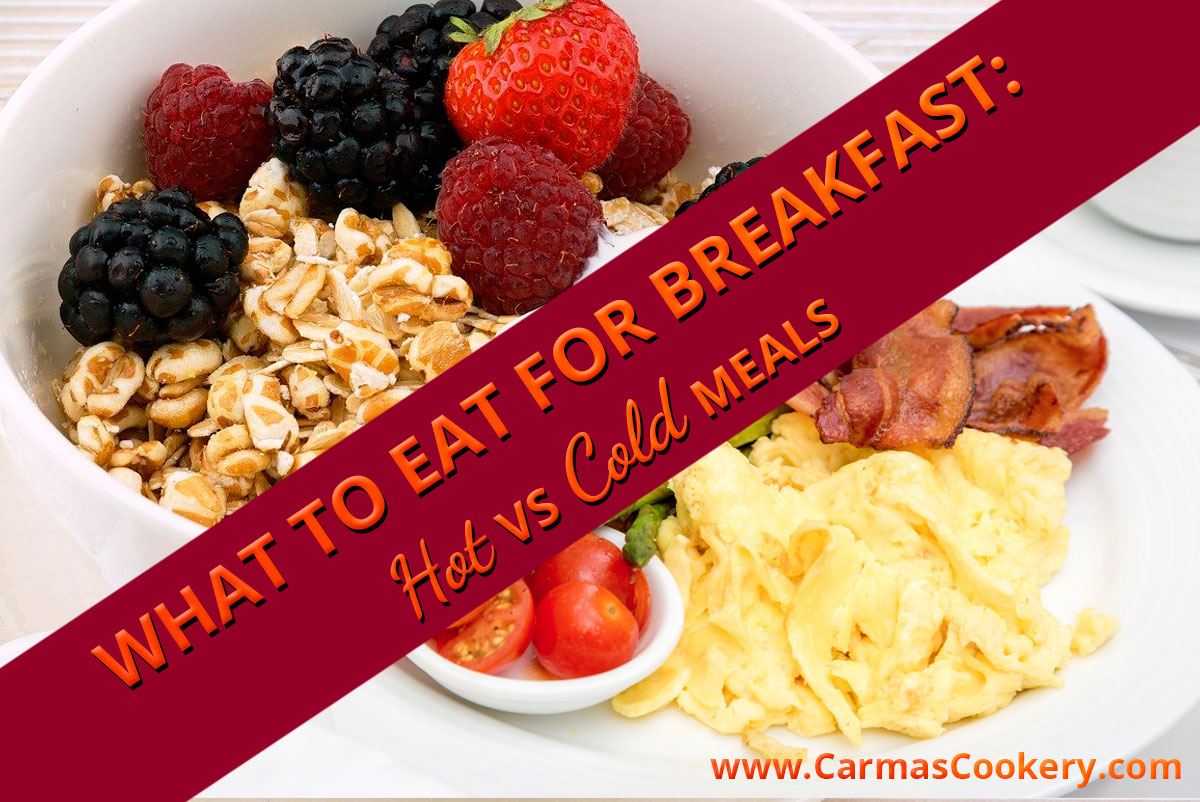
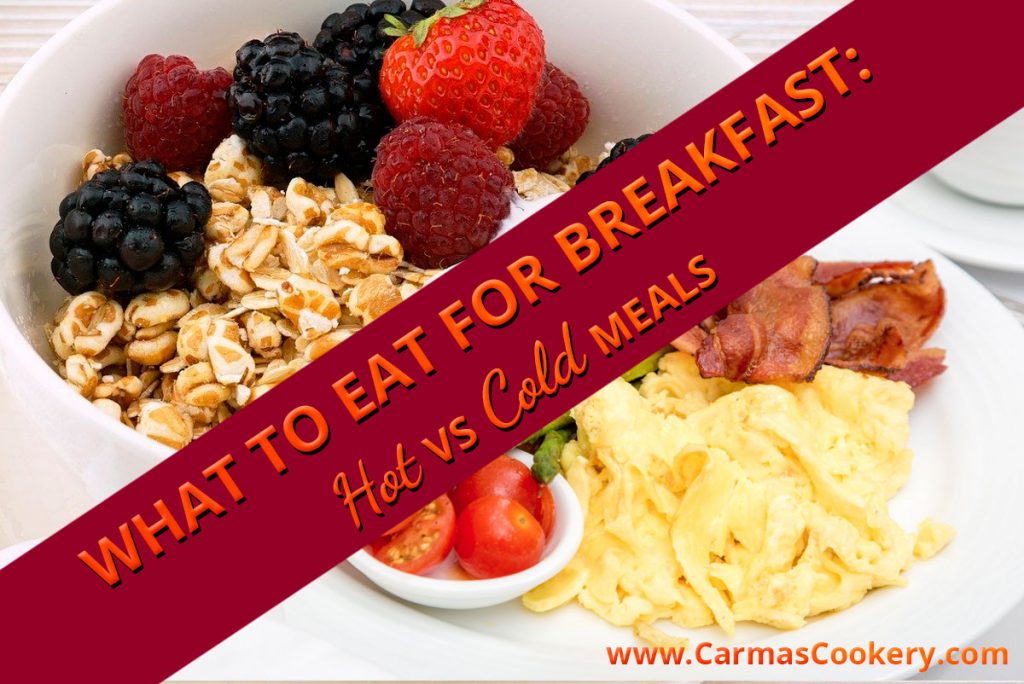
What to eat for breakfast: Hot vs Cold meals

You’ve wiped the night’s sleep from your eyes, performed your morning grooming ritual and are ready to begin your day. First up: What’s for breakfast? Should you have a hot breakfast? Or a cold one?

Although the verdict is still out as to whether breakfast is the most important meal of the day, there is plenty of evidence that it is important.

However, that is not the only “controversy” around breakfast. The other is this: Is a hot breakfast is better for you than a cold breakfast or is it the other way around?

February is National Hot Breakfast Month, which was established to — obviously — encourage people to eat a nice hot breakfast rather than a quick cold one. However, you probably don’t have a lot of time to eat a warm meal first thing every day (unless you include coffee or a stop at your fast food restaurant on the way to work, neither of which are all that nutritious.)

Therefore, I did a little research to discover what the benefits were of a hot breakfast vs a cold breakfast. Here is what I found.

What to eat for breakfast: Hot vs Cold meals

[notification] TABLE OF CONTENTS

  • Why Is Breakfast Important?
  • What To Eat for Breakfast
    • Healthy Cold Breakfast Ideass
    • Healthy Hot Breakfast Ideas
  • When Temperature Does Count
  • Conclusion

[/notification]

[notification type=”success”] “One should not attend even the end of the world without a good breakfast.”
― Robert A. Heinlein, Friday [/notification]

Why Is Breakfast Important?

Eating breakfast provides a variety of benefits to get your day started right:

  • Jump starts your metabolism
  • Provides energy for the day
  • Improves memory and concentration
  • Lowers levels of LDL cholesterol (the bad kind)
  • Lowers your chances of getting diabetes and heart disease
  • Lowers your chances of being overweight

Some of these benefits are directly due to eating breakfast in the morning. Others may only be connected, either because eating breakfast causes healthy behaviors or healthy people tend to eat breakfast.

Research, the results which were published in the July 2010 issue of the Journal of the American Dietetic Association, compared children who ate cereal for breakfast, to those who skipped and those who ate something else. They found that breakfast skippers were more likely to be obese, most likely because they tended to get more of their energy from “added sugars”, ending up with fewer nutrients, and less fiber and protein.

Now that we know that breakfast is important, it is time to address what to have for breakfast.

What To Eat for Breakfast

Depending on who you talking to and what their particular agenda, nutritional view or dietary soapbox is, you’ll hear just as many experts tell you that cold breakfasts are best as those who will tell you hot breakfasts are best. However, with a little more digging, I found that the temperature of your breakfast is less important than the content.

Healthy breakfast eaters are just as likely to have eggs for breakfast as cereal or a protein smoothie. What is important for breakfast is the protein, carbohydrate and fat ratio. You also want to keep the sugar content low.

Healthy Cold Breakfast Ideas

If you want a quick meal, like before work or school, a cold or room-temperature breakfast is often your best bet. Here are some ideas:

Healthy Hot Breakfast Ideas

You can still have a warm meal if pressed for time — I like to prepare overnight oatmeal and warm it in the microwave just before eating — but most healthy hot breakfasts take more time than most of us have time for. That said, when you can find the time for a warm, prepared breakfast, here are some healthy options:

  • Eggs
  • Oatmeal
  • Breakfast burrito

When Temperature Does Count

For some, a warm breakfast is best. Cold food can be more difficult to digest because your body needs to warm it up to body temperature before the digestion process can function properly. Therefore, those with digestive issues may find eating a hot breakfast easier on their digestive system.

That said, if your digestive system can take it and you are looking to drop a few pounds, cold food might help. Your body burns a few extra calories warming up that food, so there are fewer calories to turn into fat!

Conclusion

Is a hot breakfast preferable to a cold one? Not definitively. What is more important is that you have breakfast and that it provides you with the nutrients and energy you need to get your day started.

[divider]

[one_third] Healthy Eating Worksheet [/one_third]
[two_third_last]

Take Charge of Your Health!

Changing your eating habits can be tough. But it doesn’t have to be if you take a little time to think it out and create a plan.

This Healthy Eating Worksheet will walk you through the process of creating a healthy eating plan. All you need to do is print it out, set aside some time to complete it, and then fill it out. Then you can create your plan, knowing that you have addressed potential obstacles and came up with some creative ways to handle them.

Download Now [/two_third_last]

Categories
Recipes

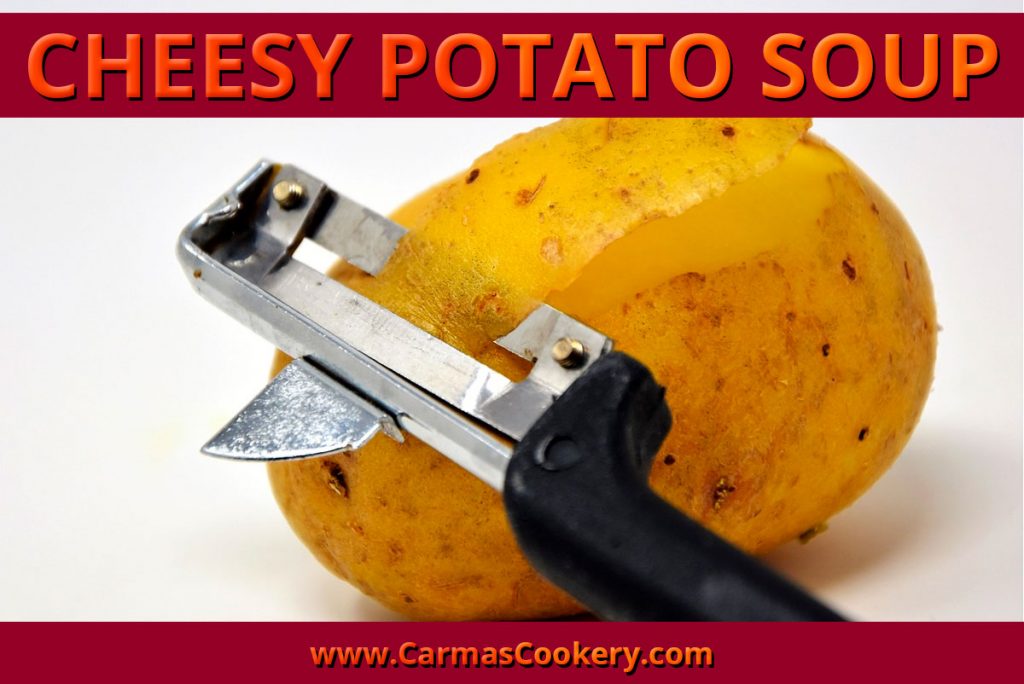
Cheesy Potato Soup

On a cold winter day, nothing warms a body like a fresh pot of soup. And, of course, nothing warms the home cook’s heart like an easy dish to prepare! This delicious homemade soup makes everyone happy. You can put it in a slow cooker to simmer all day or wait until dinner time and whip it up in a hurry.

Cheesy Potato Soup

Ingredients:

  • 1 package center cut bacon
  • 1 large or 2 small Vidalia onions
  • 8 medium potatoes
  • 1/8 cup all-purpose flour
  • 1 (12 oz.) can evaporated milk
  • 1 Tablespoon seasoned salt
  • 1 Tablespoon black pepper
  • 8 oz soft, shreded cheese (Monterey Jack or Colby are good options)
  • Shreded cheddar cheese for garnish

Stove-Top Preparation

  1. Heat a large pot on the stove over medium heat. As the pot is heating, cut the bacon into bite-size pieces. Once the pot is hot, add the bacon pieces, stirring often until brown.
  2. While the bacon is cooking, peel and chop the onion and potatoes. Make sure your potatoes are cut into bite-size pieces. Set aside for later use.
  3. Once the bacon is crispy, put some on a paper towel to use as a garnish later. Then add the onions and stir. Let onions cook for approximately two minutes until they are semi-translucent and tender, not fried to a crisp.
  4. When the onions are tender, add flour and mix until the grease is absorbed; making a paste. If your bacon made a lot of grease, you may want to drain some of it off before adding the flour.
  5. Pour the potatoes into the pot with the bacon, onion, and flour. Add just enough hot water to cover the potatoes.
  6. Next, pour in evaporated milk. Add the seasoned salt and pepper and give it a good stir.
  7. Add cheese to the pot, and bring to a simmer, stirring until the cheese is fully melted and incorporated into the soup.
  8. Let the soup simmer, uncovered, for 10-20 minutes or until potatoes are tender. Adjust the seasonings to taste.
  9. To garnish, sprinkle some shredded cheese and the set-aside bacon over the top of each bowl before serving.

Slow Cooker Preparation

  1. Heat a large pan on the stove over medium heat. As the pot is heating, cut the bacon into bite-size pieces. Once the pot is hot, add the bacon pieces, stirring often until brown.
  2. While the bacon is cooking, peel and chop the onion and potatoes. Make sure your potatoes are cut into bite-size pieces. Set onions aside and put potatoes into the slow cooker.
  3. Once the bacon is crispy, put some on a paper towel to use as a garnish later. Then add the onions and stir. Let onions cook for approximately two minutes until they are semi-translucent and tender, not fried to a crisp.
  4. When the onions are tender, add flour and mix until the grease is absorbed; making a paste. If your bacon made a lot of grease, you may want to drain some of it off before adding the flour.
  5. Add the bacon-onion paste to the slow cooker. Add just enough hot water to cover the potatoes.
  6. Add evaporated milk, seasoned salt, pepper, and cheese. Stir to combine. Cook on LOW for 6 to 8 hours, until potatoes are tender. Adjust the seasonings to taste.
  7. To garnish, sprinkle some shredded cheese and the set-aside bacon over the top of each bowl before serving.

Carma's Cookery Creative Cooking Tips

  • Add more punch to your soup by using the Pepper Jack or sharp cheddar.
  • Change the toppings in each person’s bowl to make this recipe their own. You might try spinach and onions or tomatoes and croutons and the kids will like extra bacon.
  • Serve the soup without a garnish and have a “toppings” bar with an array of optional toppings, such as bacon, chopped scallions, sour cream, croutons, shredded cheeses, chopped tomatoes, chopped spinach, lemon pepper, garlic pepper, etc.
Categories
Cooking Techniques Flavor Blending

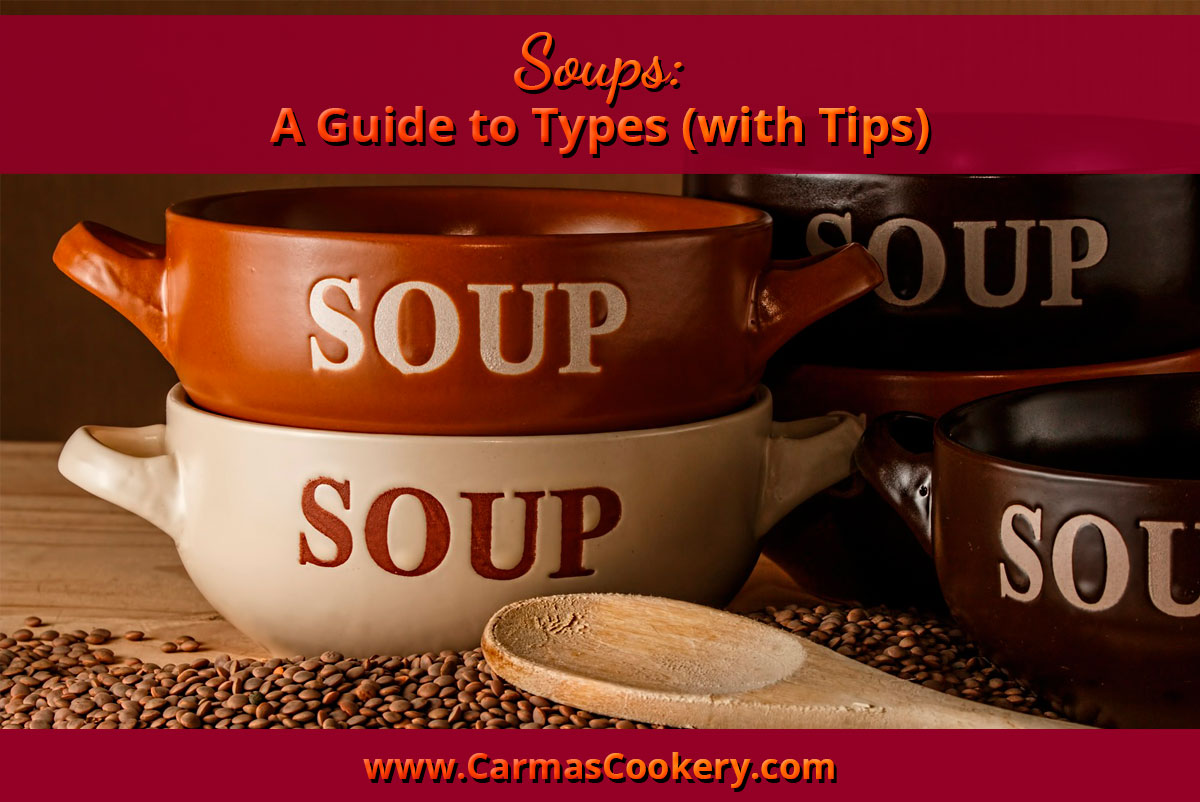
Soups: A Guide to Types (with Tips)

There is something comforting about a hot bowl of soup on a cold winter day. I guess that’s why January has been named National Soup Month. In honor of this occasion, I thought it was high time to provide a guide to soups, which come in a wide variety of styles. In this article, I will discuss some of the more common variations of soup and offer information and tips on preparing, serving and storing homemade soups.
Soups: A Guide to Types (with Tips)

What is soup?

The term “soup” refers to any type of liquid dish served in a bowl or cup. It is typically made by boiling vegetables, meat and/or fish in water or stock. It can also be made from fruit. I can be served warm or cold. It can be the first course of a meal, or it can be the entire meal.

A Brief History of Soup

There is evidence that soup was made as early as the neolithic age. And people have been making soup ever since. If there was meat available, it is highly likely that soup was made of it. In fact, around 6000 BC hippopotamus was the common mean found in soup!

Soup has also often been associated with bread. People would either dip bread into the soup, or soup would be poured over pieces of bread. A favorite way I like to serve chicken soup is over chunks of bread with mint leaves sprinkled over them. The combination of mint and chicken broth is surprisingly delicious.

Stock vs. Broth

Most soups start with a broth or stock as their base. But is there a difference between the two?

In many ways, the two are virtually interchangeable. The biggest difference between the two is that broth has seasoning in it and stock does not. There are also some differences in ingredients and cook time.

[one_half] Stock …

… is made by simmering a combination of animal bones (which typically contain some scraps of meat), mirepoix (a mixture of onions, carrots, and celery), and aromatics in water.

… is always involves bones, although not necessarily meat.

… is cooked for anywhere from 2 to 6 hours on the stovetop.

… has a liquidy consistency, even when chilled.

… is always left unseasoned.

… is typically used for sauces, gravies, braises, stews, and soups, etc. [/one_half]
[one_half_last] Broth …

… is any liquid that has had meat cooked in it.

… is made by simmering meat (which can contain bones, but does not have to), mirepoix, and aromatics in water for a relatively short amount of time, usually under 2 hours.

… is typically seasoned.

… is a thin, flavorful liquid that often gels when chilled.

… is used in all the same ways as stock, including soups, sauces, and braises.

… because it’s seasoned, can be favorable enough to be consumed on its own. [/one_half_last]

Bouillon is another word for broth. You can purchase bouillon cubes or powder at your local grocery store, which simply needs water added to make a broth.

Soup vs Stew

The biggest difference between soup and stew is how much liquid the dish has. Soups have more liquid and smaller pieces of meat and/or vegetable. Stews are heartier and have larger chunks of meat and/or vegetable. So, basically, stew is a heartier form of soup.

What are the different types of soup?

There are several kinds of soup that have their own, specific term. Here is a quick guide to soup types:

Bisque

A thick, smooth, rich, creamy soup that is highly seasoned and usually made from seafood. It is fo French origin and was classically based on strained crustacean broth. Newer recipes may use poultry or vegetables in place of seafood. At one time bisques were thickened with rice, but today they are more frequently thickened with roux.

Examples:

Bouillabaisse

A traditional Provençal fish stew originating from the port city of Marseille. It is highly seasoned and made of fish, shellfish, onions, tomatoes, white wine, olive oil, garlic, saffron, and herbs. Here is a recipe from Saveur.

Chowder

A thick, creamy and chunky soup or stew usually containing seafood, potatoes, and milk or cream. The word “chowder” comes from the French word “cauldron,” which means cooking kettle. Vegetables or fish stewed in a cauldron became known as chowder in English-speaking nations (a corruption of the name of the kettle in which the dish was cooked). The first chowders prepared on the North American continent were brought by French fishermen to Canada.

Clam chowder is the most commonly known, which has several varieties: Boston/New England Clam Chowder, which has a cream base, and Manhattan Clam Chowder, which has a tomato base, and Rhode Island Clam Chowder, which has a clear fish broth base. However, there are other types of chowder, as well. One of my favorites is Corn Chowder.

Consomme

A clear broth, of French origin, that has been clarified, a process that uses egg whites to remove fat and sediment. I can be served hot or as a cold jelly. Saveur has a good recipe for making this broth.

Court Bouillon

A stock made from wine, vegetables, and herbs, often including an onion studded with whole cloves. It is typically used to poach fish, seafood or vegetables.

Cream Soup

Much like a bisque, a cream soup is creamy. They are typically thickened using a white sauce, which at its most basic is a sauce made from butter, flour, and milk.

Gazpacho

Unlike most soups, gazpacho is not cooked. This Spanish soup is made from a pureed mixture of fresh tomatoes, sweet bell peppers, onions, celery, cucumber, bread crumbs, garlic, olive oil, vinegar and sometimes lemon juice. It is served cold, and may also be served “chunky-style.”

Gumbo

This American soup comes from the south and is a traditional Cajun/Creole delicacy of South Louisiana. Just like the culture that created it, it has multi-cultural influences: wild game or seafood (from the Acadians, descendants of French colonists), thickened with okra (from the Africans), file (sassafras powder from the Indians) and/or roux (from the French). Gumbo is a thick, robust soup with numerous variations including chicken and sausage gumbo, shrimp and okra gumbo, oyster gumbo and seafood gumbo.

Minestrone

A thick, Italian soup containing assorted vegetables, peas and beans, pasta (such as vermicelli or macaroni) and herbs in a meat or vegetable broth. You can easily make vegetarian or vegan varieties of this soup.

How to Remove Fat from Soup

Because many of the ingredients that go into making a good soup have a fair amount of fat or grease, you’ll need to remove excess fat. This makes for a tastier — and healthier — soup. You can remove fat during cooking or before serving. Here are some techniques you can use to remove fat:

  • Use a large spoon to skim the fat off soup as it simmers. I’ve found that metal or plastic spoons work better than wooden ones.
  • While cooking soup, place the pot slightly to one side of the burner. The off-centered bubbling will encourage fat to accumulate on one side of the pot for easier removal.
  • A leaf of lettuce dropped in a pot of soup will absorb grease from the top.
  • To remove the last spots of fat floating on the surface, drag a clean, unprinted paper towel across the top. It will soak up most of the remaining oil.
  • Refrigerate cooked stews and soups overnight before serving. The fat will rise and solidify in a layer at the top. The fat may then be removed by breaking it up into large pieces and lifting it away with a spoon.
  • When in a hurry to skim the fat from soup, float an ice cube in the soup to help congeal the fat and make it easier to remove.

How to fix overly salty soup

It can happen to anyone — you put a bit too much salt in your soup. How do you fix that without ruining the other flavors you’ve so carefully crafted? Try one of these methods:

  • Add a whole, peeled raw potato to the soup and simmer for 10 to 15 minutes. The potato will absorb the salt. Remove the potato before serving the soup. (There is no need to discard the potato — it is perfectly good for later use in another recipe.)
  • Stir in 1 teaspoon of vinegar and 1 teaspoon of brown sugar for each quart of liquid. This is not a good idea, however, if you are watching your sugar intake.

How to thicken soup

The best method of thickening most soups and stews is to remove some of the cooked vegetables, puree them in a blender, and return the pureed mixture to the soup. To prevent from getting burned by splashes of hot puree, don’t fill the blender more than one-third at a time. These two recipes use this technique to create a cream soup texture:

If your soup doesn’t have many — or any — vegetables, you can try one of these techniques:

  • Make a paste of all-purpose flour mixed with twice as much cold broth or water. The ratio of flour to liquid is 1-1/2 teaspoons of flour to 1 Tablespoon of liquid for every 1 cup of soup. Slowly stir the paste into simmering soup and continue to simmer for 5 to 10 minutes.
  • A roux of butter and flour may also be used as a thickener (much like a white sauce). The longer the roux is cooked, the darker and more flavorful it becomes. Be careful not to scorch the roux or it will give the soup an unpleasant burned taste.
  • Cream or half-and-half is another way to not only thicken but also add a sumptuous richness to your soup.
  • A slurry made from 1 part cornstarch to 2 parts liquid will also thicken soup. Do not boil, or the solution will break down.

Freezing and Reheating Soup

Most soups freeze beautifully, so you can prepare a large batch and freeze to serve at a later date. Here are some basic steps for freezing and reheating soup:

  • Chill soup in the refrigerator and skim off any fat that rises to the surface before freezing.
  • Freezing cream-based soups may cause separation. If the soup does separate while reheating, whisk vigorously with a wire whisk or try blending it in a blender for a few minutes to smooth it out.
  • Reheat frozen soups in the microwave or thaw at room temperature and heat in a heavy saucepan over low heat on the stovetop.
  • To avoid overcooking starchy ingredients like potatoes, pasta, and rice, heat thawed soup only long enough to warm throughout.

More Soup Making Tips and Facts

Tips for serving soup

  • A quart of soup will make six side dishes, or two main dishes.
  • A hot soup will help recondition the palate between meal courses or after consumption of alcoholic beverages, so plan when you serve it accordingly.

Notes on cold soups

  • Ideally, cold soups should be served in chilled dishes.
  • Adjust seasonings of cold soups just before serving. Chilled foods tend to dull the taste buds and will require more seasoning than hot soups.

Tips for flavor

  • Be aware that herbs will have a more intense flavor if added at the end of the long cooking process.
  • Savory soups and stews always taste better if made a day or two in advance, refrigerated and then reheated just prior to serving.
  • Wine is a wonderful flavor addition to soups and stews. When using wine in soup, use less salt as the wine tends to intensify saltiness. Wine should be added at a ratio of no more than 1/4 cup of wine to 1 quart of soup.
  • Beer is also a good addition to soups and stews. A good rule of thumb is 1 cup of beer to 3 cups of soup.
  • Freeze the liquids drained from canned mushrooms or vegetables for later use in soups or stews.

Cooking Tips

  • Since liquids boil at a lower temperature at high altitudes, cooking time may need to be extended at altitudes above 2500 feet.
  • Soups and stews should only simmer while cooking, never brought to a hard boil.

Final Comments About Soup

As with most dishes, the best soups are made with a base of homemade broth and fresh ingredients, however, this can be very time-consuming and labor-intensive. If you wish, time spent in the kitchen preparing soup may be reduced by using canned or frozen broths and vegetables while still yielding an excellent result.

Remember: There are no really good quick soup recipes because any truly good soup needs time during preparation for the flavor to fully develop. Always plan on providing enough time to prepare a really good soup or stew.

[divider]

References:

  • Wikipedia
  • The Dictionairy
  • A 2005 article by Janice Faulk Duplantis

[divider]

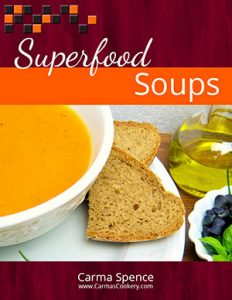
[one_fifth] Superfood Soups [/one_fifth]
[four_fifth_last]

Want to make healthier soups?

Making sure your home-made soups have superfoods in them can really give a boost to their nutritional value. Download your copy of Superfood Soups today!

Learn More | Buy Now [/four_fifth_last]

Categories
Healthy Living

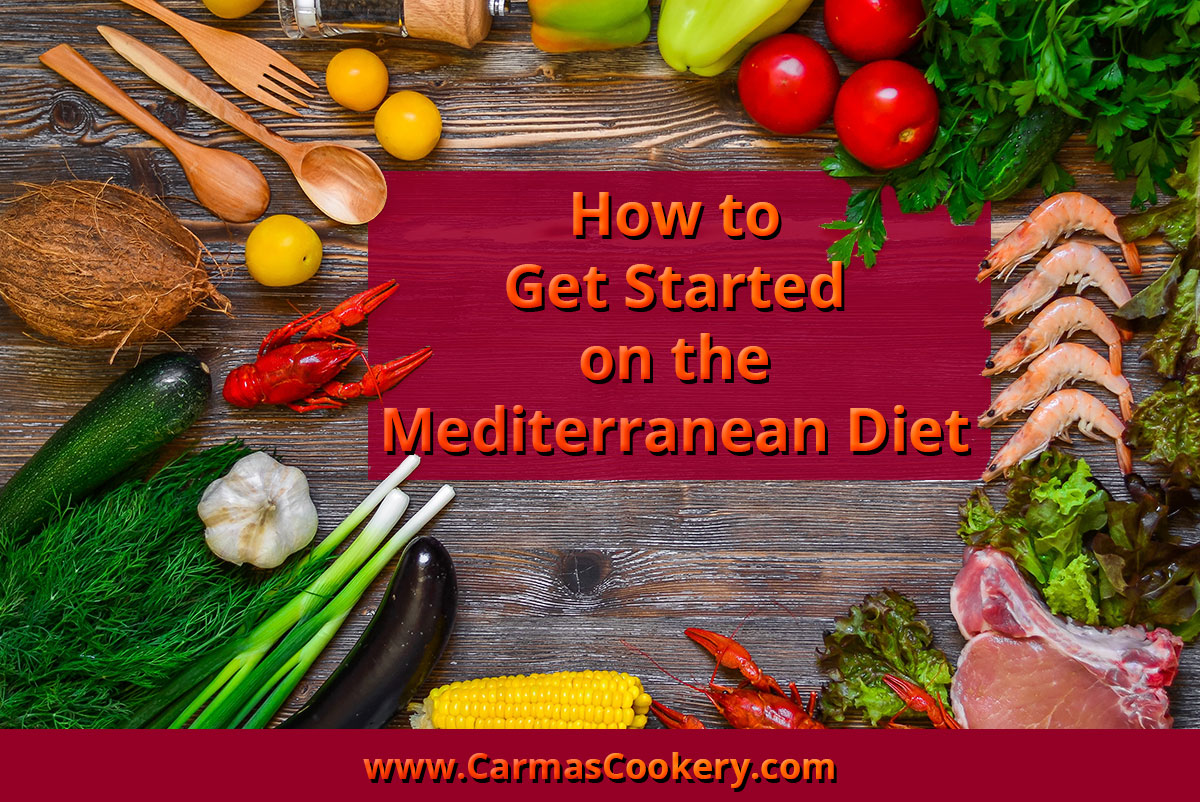
How to Get Started on the Mediterranean Diet

By now you’ve probably heard a lot about the Mediterranean Diet. This eating pattern was named the best overall diet of 2019 and has been linked to preventing diabetes, heart attacks, strokes, and certain cancers, and reducing inflammation. If you’re ready to do what’s right for your health, right now is a great time to adopt the Mediterranean-style eating pattern. And according to Amy Riolo, bestselling author, chef, television personality, and educator, getting started is easier than you might think.

How to Get Started on the Mediterranean Diet

“One of the best things about the Mediterranean-style eating pattern is that there’s no rigid ‘one size fits all’ daily intake list to stick to,” says Riolo, author of the American Diabetes Association’s The Mediterranean Diabetes Cookbook, 2nd Edition: A Flavorful, Heart-Healthy Approach to Cooking (American Diabetes Association, May 2019, ISBN: 978-1-580-40702-1, $22.95). “The guidelines are simple and easy to follow, and you get to eat delicious food without feeling deprived.”

The Mediterranean Diet centers around seasonal produce, fish and seafood, poultry, eggs, dairy, and small amounts of meat and sweets. While choosing from a cornucopia of foods, followers of this lifestyle can decide what they would like to eat and when. But with so many options it can feel overwhelming to get started. Here are some tips from Riolo to help you begin the Mediterranean Diet today.

Rethink your relationship to food.

“Food in the Mediterranean region is more than just fuel,” says Riolo. “Throughout the region, preparing and enjoying food is viewed as one of life’s greatest pleasures, a reason for socializing, a form of art, an act of worship, a means of gift-giving, culinary medicine, and much more. Restaurant dining is less important than sharing meals at home with family and friends. Remember this mindset as you incorporate more Mediterranean-themed meals into your diet. It will help you prioritize and even look forward to preparing healthier homecooked meals.”

Eat plenty of plant-based foods and seafood.

“To start following a Mediterranean-style eating pattern, plan your meals around plant-based foods including seasonal vegetables, fruit, and whole grains,” says Riolo. “Be sure to incorporate fish at least two to three times a week. Cook with olive oil. Enjoy dairy often and consume meats and sweets only sparingly. Try to cook as much of your food as possible and incorporate the freshest, highest quality foods you can find.”

Stock your Mediterranean diet pantry.

Having a well-stocked pantry saves you time, money, and stress when you’re ready to cook, and encourages you to eat healthfully. Begin stocking your pantry today. Don’t worry — you can take your time with this, purchasing a new item or two each time you visit the grocery store. When you’re done, you’ll have the foods and products needed to whip up a healthy Mediterranean meal.

Some essentials to buy first include extra-virgin olive oil; balsamic vinegar; baking goods like whole wheat flour and all-purpose flour; sea salt; canned black beans, cannellini beans, and dried lentils; canned tomatoes; canned tuna; whole wheat pasta; grains like basmati rice, couscous, and bulgur wheat; dried herbs such as basil, oregano, rosemary, and sage; and spices and seeds such as cayenne pepper, coriander, ground ginger, cumin, and sesame, fennel, and caraway seeds. You can find a full list of Mediterranean pantry items here.

Keep fresh foods on hand too.

In addition to your stocked pantry of dry goods, you will need plenty of fresh proteins, veggies, fruits, dairy, and other items to create your meals each week. Plan to make weekly trips to the grocery store to buy fresh ingredients like fish fillets and chicken breasts; lemons; celery, carrots, and onions; assorted lettuces; potatoes and sweet potatoes; eggs; cheeses like parmesan, goat, and feta; and yogurt.

Find some simple and healthy Mediterranean Diet recipes.

You don’t have to be a trained chef to cook delicious homecooked meals, says Riolo. The beauty of Mediterranean cooking is that the ingredients are simple and the preparation methods are easy to execute. Start out with easy recipes. You can save more elaborate meals for holidays and special occasions. The Mediterranean Cookbook, 2nd Edition is a great place to find plenty of recipes that are big on flavor and easy to prepare. The Italian Diabetes Cookbook is another good resource.

Some Mediterranean Recipes to Try Out

Make a meal plan.

Plan your meals on a weekly basis. Start by deciding which dishes you would like to eat in the upcoming week. Take into consideration the time you will have for cooking, which ingredients you already have on hand (and what you’ll need to buy at the grocery store), and whether your meals contain healthy assortments of carbohydrates, proteins, and fats. Make a grocery list and a schedule of when you will prepare which dishes.

Plan ahead for busy days.

“A busy schedule doesn’t have to prevent you from preparing healthy meals,” says Riolo. “On days when you have an hour to cook, try preparing two quick main dishes, one to eat that day and one to keep for a day when you don’t have time to cook.”

Get the whole family involved.

Getting other people in your household involved in meal prep can prevent any one person from feeling overwhelmed. Post a schedule on the refrigerator and delegate tasks. One person can make the salad, another can chop vegetables, and so on.

Supercharge your health with other Mediterranean lifestyle changes.

The foods you eat greatly impact your health. But people are healthiest when their overall lifestyle is geared toward wellness. So, in addition to adopting the Mediterranean Diet, Riolo recommends embracing the Mediterranean lifestyle as well. This includes getting plenty of exercise and physical activity throughout the day and participating in communal eating. Enjoy regular family dinners, lunch outings with coworkers, and frequent dinner parties with friends. And for optimal health and fitness, aim for 30 to 60 minutes of physical activity each day.

[divider]

[one_third] Healthy Eating Worksheet [/one_third]
[two_third_last]

Take Charge of Your Health!

Changing your eating habits can be tough. But it doesn’t have to be if you take a little time to think it out and create a plan.

This Healthy Eating Worksheet will walk you through the process of creating a healthy eating plan. All you need to do is print it out, set aside some time to complete it, and then fill it out. Then you can create your plan, knowing that you have addressed potential obstacles and came up with some creative ways to handle them.

Download Now [/two_third_last]

Categories
Recipes

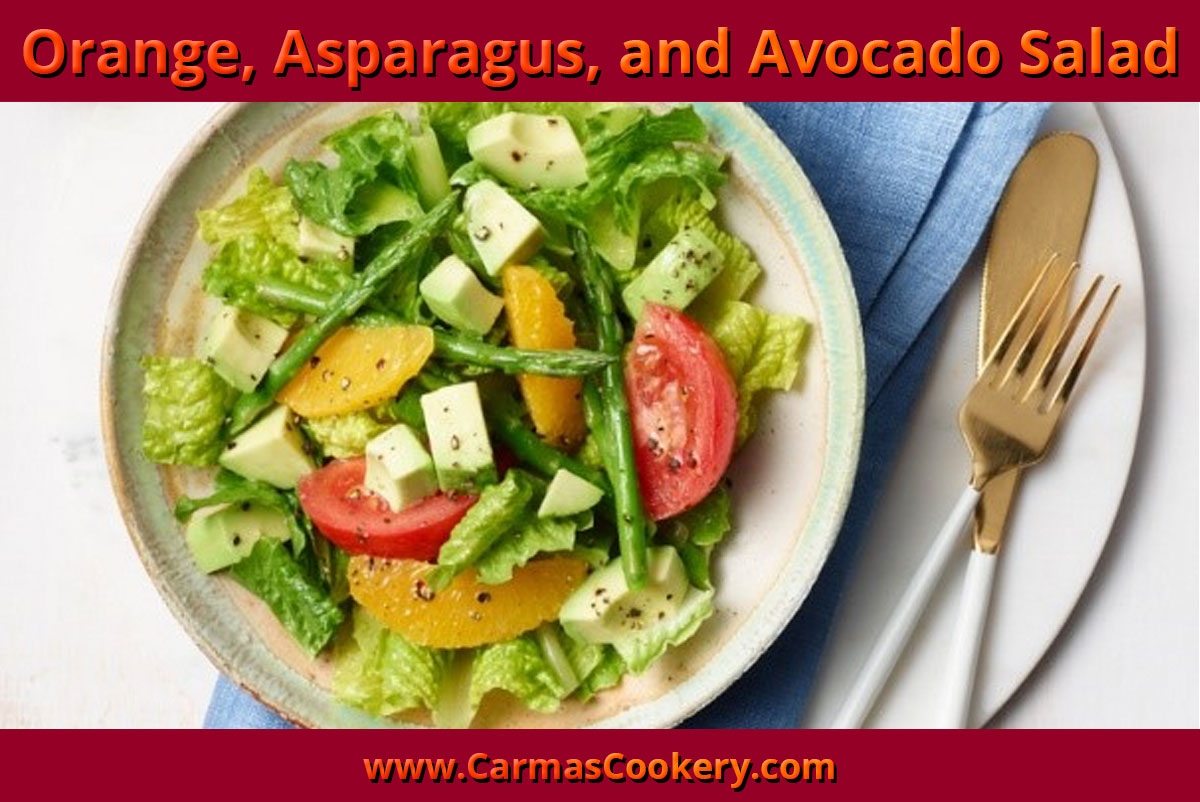
Orange, Asparagus, and Avocado Salad

This Spanish salad recipe, provided by Amy Riolo comes from The Mediterranean Diabetes Cookbook, 2nd Edition: A Flavorful, Heart-Healthy Approach to Cooking, is both gluten-free and vegan.

Orange, Asparagus and Avocado Salad

Serves: 6 | Serving Size: 1 cup | Prep Time: 5 minutes | Cook Time: 10 minutes

Ingredients

  • 1 bunch fresh asparagus, trimmed (about 8 oz)
  • 4 oz romaine lettuce, cut into bite-size pieces
  • 1 large orange, trimmed and cut into segments
  • 1 large ripe tomato, cut into 12 equal pieces
  • 1 ripe avocado, pitted, peeled, and diced
  • 2 Tbsp extra-virgin olive oil
  • 1 Tbsp red wine vinegar
  • 1/4 tsp kosher salt
  • 1/4 tsp freshly ground black pepper

Directions

  1. Place asparagus in a pot of boiling water over high heat. Reduce heat to low and simmer until asparagus is tender, about 10 minutes. Drain asparagus and submerge immediately in a bowl of ice water.
  2. Divide lettuce evenly among six salad bowls or plates.
  3. Combine orange, tomato, and avocado in a medium bowl.
  4. In a small bowl, whisk together olive oil, vinegar, salt, and pepper until combined.
  5. Drain asparagus and add to orange mixture. Pour dressing over orange mixture and stir gently to combine. Spoon mixture on top of romaine lettuce on plates and serve.

Notes

Choices/Exchanges
1/2 Starch, 1 Nonstarchy Vegetable, 1 1/2 Fat

[one_third] Calories 110
Calories from fat 70
Total fat 8.0 g
Saturated fat 1.2 g
Trans fat 0.0 g [/one_third]
[one_third] Cholesterol 0 mg
Sodium 90 mg
Potassium 370 mg
Total carbohydrate 9 g [/one_third]
[one_third_last] Dietary fiber 4 g
Sugars 4 g
Protein 2 g
Phosphorus 45 mg [/one_third_last]

[divider]

A graduate of Cornell University, Amy Riolo is considered a culinary thought leader who enjoys changing the way we think about food and the people who create it. Amy is a food historian, culinary anthropologist, and Mediterranean Diet advocate who makes frequent appearances on numerous television and radio programs both in the United States and abroad, including FOX TV, ABC, CBS, NBC, the Hallmark Channel, Nile TV, the Travel Channel, Martha Stewart Living Radio, and Abu Dhabi Television.

For more information about Amy, please visit www.amyriolo.com.

The owner of this website has made a commitment to accessibility and inclusion, please report any problems that you encounter using the contact form on this website. This site uses the WP ADA Compliance Check plugin to enhance accessibility.