Categories
Healthy Living

The Power of Antioxidants for Staying Young

younger
Image from PhotoXpress.com; Design by Carma Spence
Everyone wants to grow old gracefully. Some go under the knife to get that youthful look while others opt for a more natural way to maintain that healthful glow. The way to make peace with age can be found in the types of foods that we eat and the miracle ingredient they contain.

This hidden “miracle” is called an antioxidant. They have graced the pages of magazines, medical journals and every product from hand cream to supplement pills. But what are antioxidants and what can they do to keep you looking your best?

Antioxidants are substances that fight the aging process that goes on in your body. They are not produced by the body, so to get the benefit of these power-packed substances you must consume them. A variety of foods contain antioxidants.

But before I give you some examples, let’s go back to the beginning. The body continually replenishes its cells. Through a process called cellular metabolism, the body produces energy, more cells and repairs any damage. One by-product of cellular metabolism is unstable molecules called free radicals.

Free radicals are molecules that damage your body. They are unstable because they are missing an electron. To get another one and become stable, free radicals steal electrons from your cells. That theft damages the cells in a variety of ways.

The results are visible and invisible changes to our bodies. The development of diseases like cancer, diabetes, arthritis and neurological deficiencies may begin to affect you as you age. Also, thinner skin, wrinkles and brittle bones are a problem. Free radicals enter our body from outside sources as well: cigarette smoke, radiation and the sun’s UV rays. The more free radicals we encounter, the greater the damage that can be done.

Antioxidants have been shown to be of great help fighting the free radical problem. Antioxidant substances combine with free radicals and neutralize them. Once they are neutralized, they can no longer do any damage. Scientists don’t have any idea of what a recommended daily dose of antioxidants should be to correct free radical damage and the diseases that come with age, but they do know that eating foods rich in antioxidants makes a huge difference in how we live.

Where do you find antioxidants? They are all around us. Look no further than your local farmer’s market or produce aisle in the grocery store. Fruits and vegetables contain the principle sources of antioxidants.

Examples of antioxidants include:

  • Vitamin C
  • Vitamin A
  • Vitamin E
  • Lutein
  • Lycopene
  • Beta-carotene

Certain minerals like zinc and selenium also function in the body. They are not antioxidants but they boost the immune system to fight against free radical damage.

Antioxidants are also found in nuts, legumes, cold water fish, seafood and red meat. So, eating a varied diet of fruits, vegetables and the foods just named will increase the amount of antioxidants in your system and help reduce the incidence of disease. Eating fruits and vegetables in their natural form instead of juices brings the benefit of other nutrients found in the foods. Juices also contain a lot of sugar that is not needed by your body.

Food does more than stave off hunger. Natural substances found within them can help us to live longer and stay free of disease as we age.


Best Sources of Antioxidants

  • Vitamin C:
    Guava, sweet red pepper, kiwi, orange, green bell pepper, grapefruit, strawberry, Brussels sprouts and cantaloupe.
  • Vitamin A:
    Sweet potato, carrots, spinach, kale, butternut squash, romaine lettuce, dried apricots, cantaloupe, sweet red pepper, Bluefin tuna and mango.
  • Vitamin E:
    Mustard green, Swiss chard, spinach, kale, almonds, papaya, kiwi, red bell peppers, broccoli and olive oil
  • Lutein:
    Carrots, kale, broccoli, Brussels sprouts and pistachios
  • Lycopene:
    Guava, watermelon, tomato, papaya, grapefruit, sweet red peppers, asparagus, purple cabbage, mango and carrots
  • Beta-carotene:
    Sweet potato, carrots, spinach, romaine lettuce, butternut squash, cantaloupe, sweet red pepper, dried apricots, peas and broccoli


[divider]

[one_third] Healthy Eating Worksheet [/one_third]
[two_third_last]

Take Charge of Your Health!

Changing your eating habits can be tough. But it doesn’t have to be if you take a little time to think it out and create a plan.

This Healthy Eating Worksheet will walk you through the process of creating a healthy eating plan. All you need to do is print it out, set aside some time to complete it, and then fill it out. Then you can create your plan, knowing that you have addressed potential obstacles and came up with some creative ways to handle them.

Download Now [/two_third_last]

Categories
Flavor Blending

Beer hacks — pouring the perfect beer

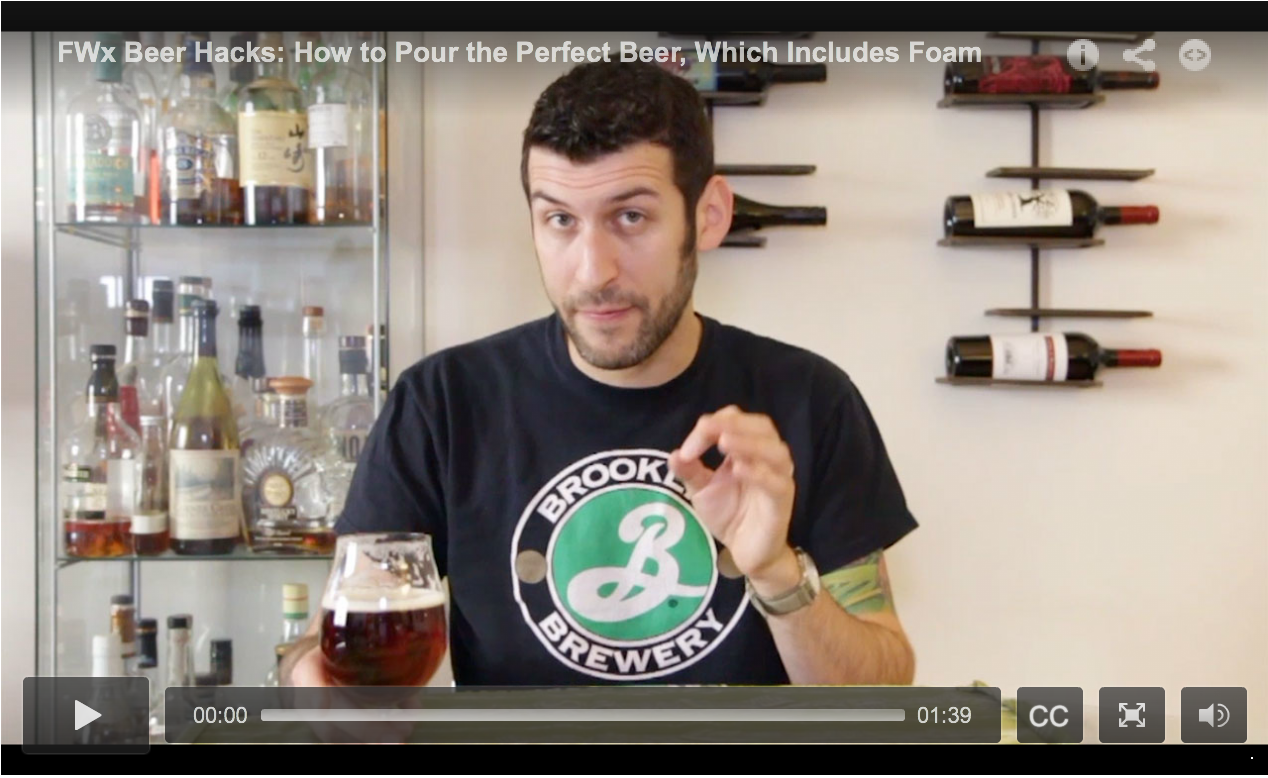
Screen Shot 2015-09-23 at 8.19.14 PMAlthough I’m not a beer drinker, I found myself transfixed by a series of Beer Hacks videos featuring Ethan Fixell of FoodAndWine.com. I was especially taken with his “how to pour beer” video, in which he not only suggests not following the 45° pour most of us have probably learned, but goes into why foam is an important part of the beer drinking experience.

I love that food science geeky stuff!

Anyway, if you’d like to check out that video, you can find it here.

You might also enjoy some of his other Beer Hacks video:

Categories
Creative Cookery

Why do you watch food videos?

food videos
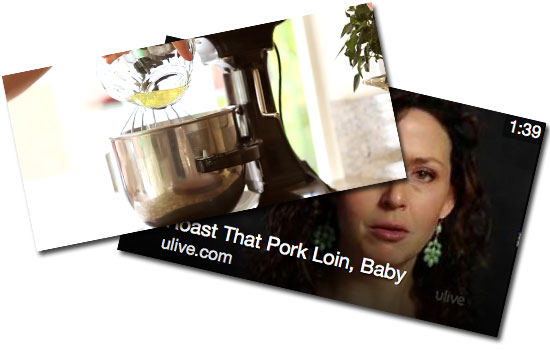
Screen shots of actual videos

I’ve joined a service where I watch videos to earn points toward Amazon gift certificates. I figure this is an easy way to raise funds to buy my wedding dress and accessories. The first sets of videos I chose to watch were all food videos.

I was surprised at them. To me they seemed pretty useless:

  • Videos in which you watched someone make a dish set to music. There is no narration, nor a recipe ever given.
  • Videos where actresses read recipes as if they were erotic passages.
  • Videos where someone shows you how to make something and then flashes the recipe on a couple of screens.

I don’t get it. I don’t know about you, but I watch food videos to learn something. I like the “kitchen hack” type videos that give you an actionable tip you can put to use. But what is the point of these other videos? Entertainment only? I’d rather watch a movie trailer!

commentWhat about you? What would you like to see in food videos? I’m getting ready to start making more Carma’s Cookery videos. What would you like to see in them? Please post your questions and suggestions in the comments below.
Categories
Cookbook Reviews

Embracing the Lessons of Food: An Interview with Dawn Lerman

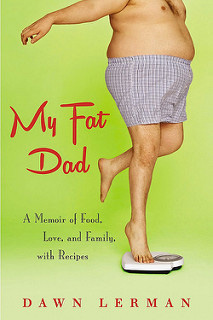
My Fat Dad by Dawn LermanFood and family can be a complicated subject. Our memories, experiences and eventual relationship with food is often colored by our interactions and observations of our parents and food while growing up. The interesting thing is that two people can have similar experiences — for example an overweight parent — and come out with very different, sometimes even opposite — reactions and results.

Dawn Lerman, author of My Fat Dad: A Memoir of Food, Love, and Family, with Recipes, coming out at the end of the month, grew up with an overweight father and and under-eating mother, and yet became a board-certified nutrition expert who counsels clients on weight loss, diabetes, high blood pressure, and other diet-related conditions. Below she shares some of her story. You can read more by picking up a copy of her book, which is currently available for pre-order.


Carma Spence: What inspired you write My Fat Dad?

dawn-lermanDawn Lerman: I originally set out to write a health book for kids about snacking. While I was compiling recipes I realized that each one of them had a memory attached to it. The memory was as important as the recipe itself — it was the people I was with at the time; where I was when I tasted it; and the smells that made it so important.
Nourishing yourself and your family is about the love you put into it, which led me to want to share about my family and my maternal grandmother Beauty, whose recipe cards and ultimately, cooking saved me and gave me a purpose. I was able to focus less on the chaos and loneliness I felt in my day-to-day life. The story of how real food had such a positive impact on my life, even in the face of my father’s great weight, felt like an important story. And I definitely wanted to provide the color and context around the recipes that were woven into the fabric of my life.

CS: It seems that much of your childhood was attached to food in some way.

DL: In my house, food and affection were inextricably tied. My father, a successful advertising executive — for popular food products (Leggo my Eggo, Coke is It, and Once you pop you can’t stop) — usually weighed around 450 pounds. His weight would often fluctuate a hundred pounds on either end as he tried (and failed) almost weekly to attempt the latest fad diet. He was always the best customer of the products he was marketing — especially when he was working on Kentucky Fried Chicken, Coke and Budweiser.

My mother, meanwhile, was an aspiring actress and thought food was a waste of money and time. She was happy eating one can of tuna fish over the sink a day.

CS: With that kind of background, how did you develop your passion for healthy eating?

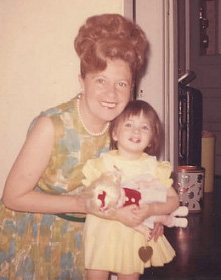
dawnandmomDL: My parents had very busy social lives and luckily for me, I got to spend every weekend at my maternal grandmother Beauty’s house. When I walked into her kitchen, life transformed from processed packages of salty MSG instant soup to the delicious warm, fragrant smell of homemade chicken soup, sweet kugels and home baked poppy seed cookies. It was the only place I can remember feeling happy, safe and nourished. It was what I craved.
CS: So your grandmother became your saving grace?

DL: For a long as I can remember, my time spent with my grandmother revolved around our weekend dinners. On Friday when I arrived, everything was prepared, but on Saturdays we spent the day visiting the baker who gave us warm challah to snack on, the butcher who always gave her the best cuts of meat and the men at the fruit stand who showed us what was in season and ripe. It was very important to my grandmother that I learn about how to create a nice meal with fresh ingredients. “Bread gets moldy, fruit gets soggy and veggies get wilted,” she told me. “If it lasts for months on the shelf, imagine what it does to your body.”

But when I was nine years old my family moved away from my hometown of Chicago. In order to keep us connected my grandmother sent me a 20-dollar bill and a recipe card every week. That way, whatever she was cooking for my grandfather, I could cook for my family — but mostly my sister who I took care of, since the age of ten.

CS: You share a lot about both the good and bad of your upbringing. How do your parents feel about the book?

DL: Both of my parents love the book and are very supportive — my dad, always an ad man, told me “You’ve come a long way baby.” My mom, the ultimate stage mother, shares passages from the book wherever she goes. She just wishes there were more pictures of her in the center of the book.

CS: Your dad doesn’t seem to mind being called “fat.” Why do you think that is?

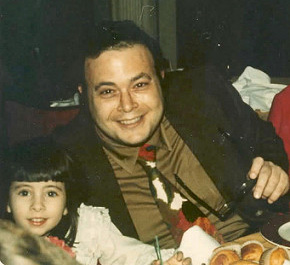
dawnanddadDL: While my dad struggled with weight his whole life, he was also an ad man, a comedy writer, and the life of the party. Being fat was just who he was. Now he has it under control but even when he was at his heaviest, he was able to step outside of himself and make jokes. Instead of bookcases, my dad had shirts of every size hanging all over the house, representing different weights.
CS: You mention that your dad is more in control of his weight now. What’s the story behind that?

DL: Today, my father weighs 220 pounds and is a vegan. How he got there is a story I share in my book. Food is no longer a barrier that keeps us apart, but a bridge that keeps us connected. There is nothing my dad enjoys more than talking with me about dietary theories and his weight-loss victories. And now I am the one regularly sending recipe cards to my father’s house, just as my grandmother did for me.

CS: It seems to me that with two opposing — and equally unhealthy — relationships to food, you might have found it hard to manage your own perception of body image and weight loss. Did you ever struggle with your weight?

DL: I love food and I choose food that will love me back, like green juices, super foods, smoothies, homemade soup and stews, and big salads. I go to the farmer’s market on Sunday and I try to buy what is in season. Or I go to Trader Joe’s and I stock up on both fresh and frozen fruit and vegetables, sprouted breads, beans, nuts, nut butters, and seeds. I try to cook on Sunday for the whole week and I make little snack bags for both me, my kids, and my clients. Also, when I am starving I usually have a big glass of water. Sometimes we think we are hungry, but we are actually thirsty or bored.

CS: What is your best advice for someone struggling with weight?

DL: As a holistic nutritionist I believe it is important to know your client before making any blanket statement. However, I do think drinking beverages other than soda, like Green Tea is important. Also, people should try to eat simple, filling meals and fill up at least half of their plates with veggies.

Finally, as my daughter says, if it has a commercial attached to it, it usually is not good — this goes for processed foods, especially. How many commercials do we see for kale or strawberries?

CS: If there was one take away from reading your book you would like readers to have, what would it be?

DL: Eating is about much more than protein and carbs and nutrients — it’s about family, history and identity. My grandmother Beauty put it best: “I can find my heritage in a bowl of soup.”

I hope my story helps families create happy memories around food. I also hope that food is seen to be more than just the macro-nutrients, protein, fat or carbs from which it is composed. I have always had a passion for taking any family recipe and making it healthier — I hope readers can see that good food can taste good and you don’t need to give up your traditional favorites if you are willing to exchange a few ingredients (There is an index at the back of My Fat Dad that explains what you can use as a substitute for most of the basics that go into every recipe).


All images used in this post were provided by Dawn Lerman or her representatives.

Categories
Ingredient Spotlight Well Stocked Pantry

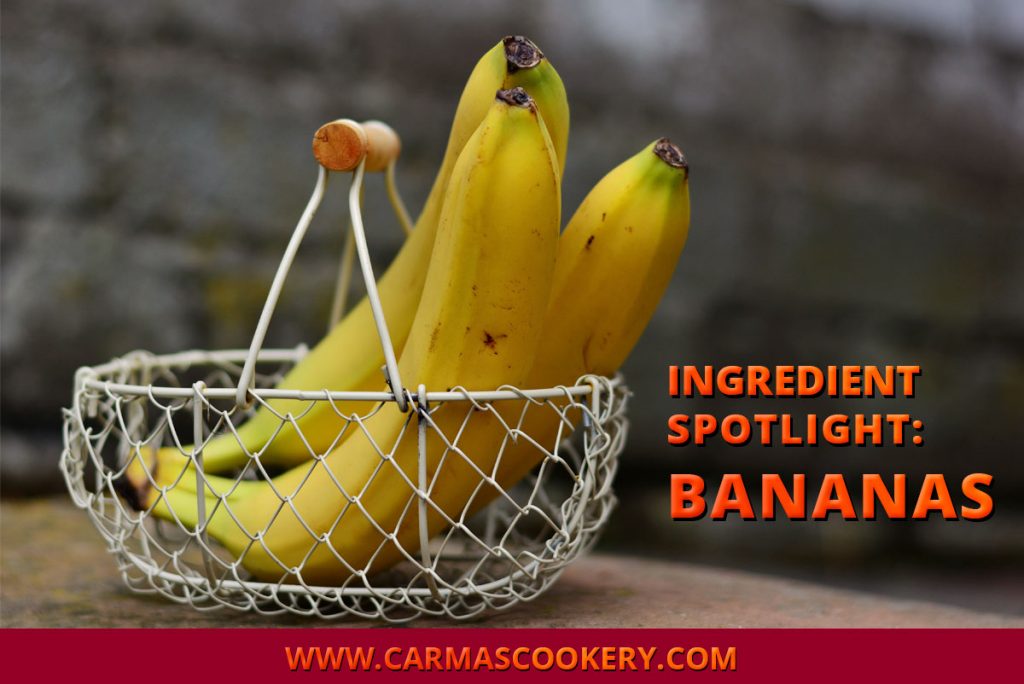
Ingredient Spotlight: Bananas

Ah, the banana … good for you? bad for you? You’ll hear facts on either side of that coin, but the bottom line is that if you keep your portions controlled (a small banana, no longer than five inches, is about right), bananas are a superfood.

Ingredient Spotlight: Bananas

Bananas are perhaps best known for packing potassium, but they’re also good sources of arthritis-fighting vitamin B6, folate, and vitamin C. They are also loaded with zinc, iron, and calcium. They’re easy for your body to digest, and since they’re a great source of soluble fiber, they are an important player in your weight loss efforts, because you feel full after eating one without consuming a large number of calories.

And ladies listen up: Bananas are good for menstrual difficulties, especially for athletes because they can quickly replace what your body loses during your cycle or when you’re exercising frequently. And, if you suffer from diarrhea during your monthly cycle, they are the ideal treatment when eaten in conjunction with apples, rice, and dry toast – more commonly known as the BRAT treatment.

If you suffer from chocolate cravings, eating a banana dipped in melted chocolate can ease that craving while preventing you from over-indulging. If you have a sweet tooth, frozen bananas make a great alternative to a lot of other sugary treats. If you’re trying to cut carbs, bananas can be a good alternative, too.

For active people, bananas are a better option than most sports drinks because they have nutrients and a healthier blend of natural sugars.

I love putting them in my smoothies because they not only sweeten the drink but add bulk so I feel more full. They also taste great sliced and served over your morning cereal or granola. And one of my favorite lunch treats is a banana, peanut butter, and honey sandwich.

Check out the new banana recipe for Banana Coffee Cake I added in honor of this yummy, healthy, yellow fruit.

Categories
Recipes

Banana Coffee Cake

This recipe is inspired from one in the first edition of Bonkers for Bundt Cakes.

ripe bananas
Photo by Sheila Sund via Flickr

Ingredients:

  • 2 tsp cinnamon
  • 1/2 cup sugar
  • 1 package yellow cake mix
  • 1 package instant banana pudding mix 4 eggs
  • 1 cup banana yogurt, mixed
  • 2 ripe bananas, mashed
  • 1/2 cup vegetable oil
  • 1/2 cup water
  • 1/2 tsp vanilla extract

Directions:

  1. Position rack in center of the oven and preheat to 350°F.
  2. Prepare the Bundt pan by spraying it with nonstick cooking spray or rubbing it with a light coating of shortening. Then dust the sides with flour by spooning a small amount of flour into the pan and tapping the sides while you turn the pan around until a light dusting of flour has stuck to all sides of the greased interior. Be sure to tap out any excess flour.
  3. In a small bowl, mix cinnamon and sugar. Set aside.
  4. In a large bowl, combine in the following order: cake mix, pudding mix, eggs, yogurt, banana, oil, water and vanilla. Using an electric mixer, beat for two minutes at medium speed.
  5. Sprinkle some of the cinnamon-sugar mixture into the prepared Bundt pan. Pour 1/3 of the batter on top of the cinnamon-sugar mixture. Sprinkle some more cinnamon-sugar mixture over the batter. Repeat this process in layers until you finish the batter. You should end with a sprinkling of the cinnamon-sugar mixture.
  6. Bake in preheated oven for 70 minutes or until it springs back after being touched lightly in the center.

Variation: Instead of mashing the banana, cut it into chunks and fold them into the batter after beating.

Categories
Recipes

German Pancakes

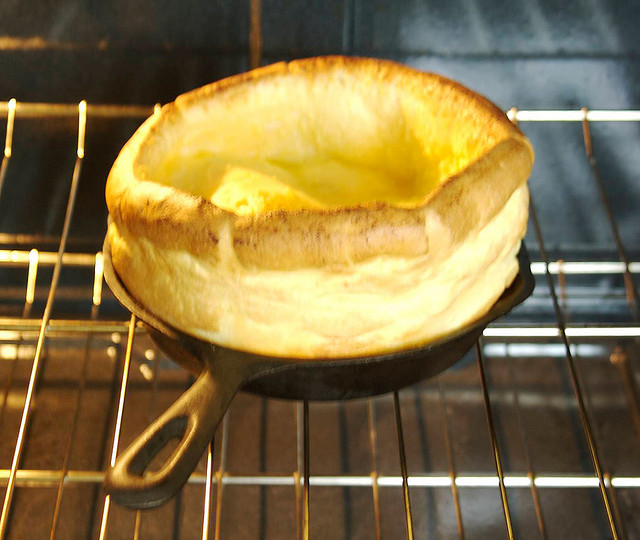
The German pancake, also called a Dutch Baby, Bismarck, or Dutch puff is derived from the German pfannkuchen. It is a sweet popover that is usually served for breakfast. My aunt first introduced them to me and I’ve been a fan ever since. I usually serve it with butter and maple syrup, but I’ve also seen it served with fruit preserves or compotes. This is a pretty simple recipe that makes fancy results worth of company.

Dutch Baby Photo by Brianna Privett via Flickr
Photo by Brianna Privett via Flickr

Ingredients:

  • 6 eggs
  • 1 cup milk
  • 1 cup all-purpose flour
  • 1/2 teaspoon salt
  • 2 tablespoons butter, melted

Directions:

  1. Preheat oven to 400°F.
  2. Combine eggs, milk, flour, and salt in a blender. Cover and process until smooth.
  3. Pour the butter into an un-greased 13″ x 9″ baking dish. Pour in the batter. Bake, uncovered, for 20 minutes.
The owner of this website has made a commitment to accessibility and inclusion, please report any problems that you encounter using the contact form on this website. This site uses the WP ADA Compliance Check plugin to enhance accessibility.