Categories
Healthy Living

Clean Eating: Simple Facts

The term “clean eating” is one of the latest top trends for keeping your body healthy. But what does it really mean?

Clean eating, you’d think, would be pretty self-explanatory. But there are nuances to the movement that might not be clear. Thus this post!

The idea behind “clean eating” is the food you put in your body should be as untouched by chemicals and additives as possible. Processed foods are out. Completely. High sugar content is also out, although arguably fruits have a high sugar content, but the point of clean eating is that what goes into your body, goes in there as it was when it left the ground…and that the ground it left was untouched by harmful chemicals, pesticides and various other nasties.
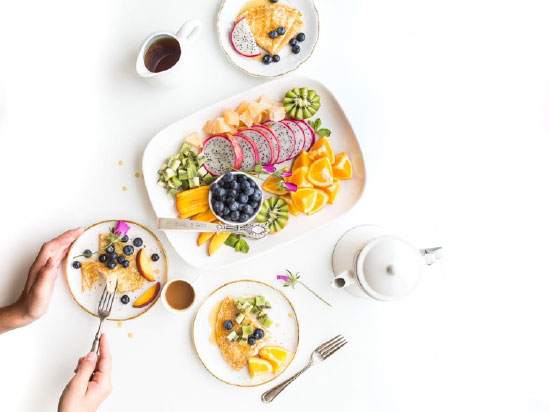
Clean Eating Fruits and Cheeses
Image from Pexels/unsplash

A very simple example of a clean eating breakfast would be a cup of filtered water with a slice of organic lemon followed by a free range fresh egg on a bed of organic spinach.

Some take this to the extreme and try to eat only foods they have grown or raised themselves. This is a fabulous idea if you have the time, or space, to tend to a vegetable garden and you aren’t squeamish when it comes to hunting, plucking and gutting your own animals. (Not my cup of tea, although I have prepared fresh seafood someone I knew had caught and gutted himself.)

Modern Life’s Affects on Clean Eating

Our diets have suffered a lot since we became busier. The traditional family set up of the old days, where the wife would stay at home baking bread and care for the children — a traditional homemaker — while the husband went out to provide the family with a roof over their head and manage the finances, has changed dramatically. Most couples now feel so much financial pressure they both have to work. In addition, there are more single-parent families than ever before and less and less time is available to focus on the routine of dinner time, sitting down together and enjoying a home cooked meal. Convenience is the buzzword of the 21st century and with it the rise of highly processed convenience foods. However, that convenience does come with a rather detrimental effect on our health.

Creating foods that stand up to the demands of the modern family means a higher turnover of crops, cheaper commercial value to offer better retail value, the addition of preservatives to ensure products last longer and, of course, the basic human need for food to look a particular way. For example, when I was in high school, I job shadowed a marine biologist. One of our stops that day was at a lobster aquaculture facility. They had to add specific things to the lobsters’ diet in order for them to turn the color we’ve all grown accustomed to. The lobsters didn’t need that item for nutrition … it was all for color’s sake. There is a lot to the psychology of the color of food, but I won’t go into that here.

Another example: Major supermarkets refuse to stock apples of a certain shape due to customer wastage. John doesn’t want to buy the smaller oddly shaped apple when it is surrounded by the visual masterpiece of all the other perfectly round and shiny apples. That’s ok John. It isn’t just you, we are all a little guilty of wanting the brightest pick of the crop.
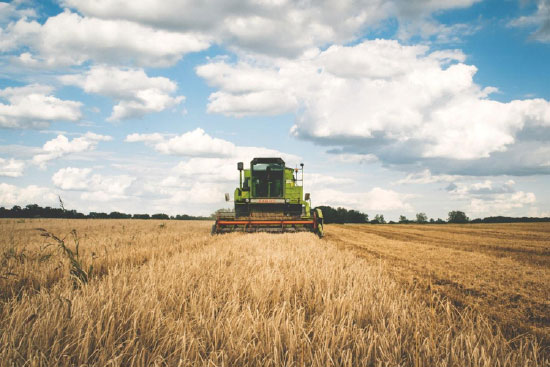
clean eating, clean farming
Image source freestocks

It is important to remember the bi-product of this demand is actually poorer quality goods. Farmers are using more technology to ensure they can get a higher yield of perfectly formed produce. Our vegetables are plastered with pesticides because the consumer doesn’t want to share their dinner plate with a friendly worm or a zucchini that looks like it’s been given to you second hand by a family of snails. The green fingered amongst us don’t mind a sharing their lunch with a few of nature’s critters, although there are ways of keeping off the larger pests who steal our modest crop of carefully nurtured greens — naturally. The impact of these demands on our health can lead to some rather scary illnesses including cancer, allergies and others.

Then there is livestock. The way we treat animals bred for food is by far a lot more humane than many countries, but as the consumer demands better quality product for better value price tag, they appear to turn a blind eye to scary words such as ‘genetically modified’ or simply forget that higher demand for lower commercial value, means pile them high and move them on. So chickens, cows and sheep are bred in cramped conditions with less freedom than nature intended. I remember when I wrote for the Maryland Agricultural Experiment Station, I did a story on pig farming. Some of the things done to pigs to make sure they had plenty of piglets, grew larger and fattier, etc. horrified me.

The other issue with convenience foods is the potential for harmful bacteria to spread and the likelihood of listeria and E. coli to develop, spilling over into our homes and lives. This increases the importance of understanding the dangers of food processing and researching solutions. A great site to gain some information can be found here www.unsafefoods.com/category/listeria/ if you want a more in-depth look into unsafe foods and how to avoid them.

How to Incorporate Clean Eating Into Your Life

Clean eating is the first line of defense in protecting yourself from illness and from chemicals you don’t understand (nor need in your system). It isn’t as inconvenient as one might presume. However, it does involve a degree of organization, perhaps a little more money spent on groceries and a desire to make a difference in your future and the safety of your children’s health.
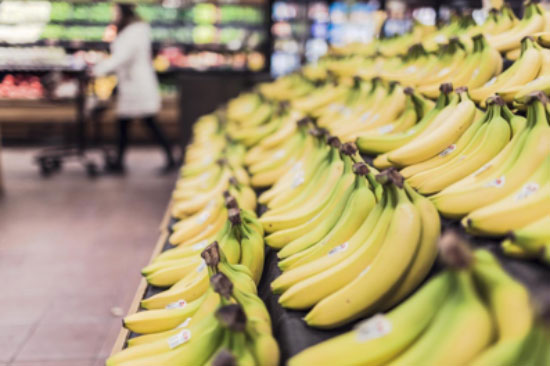
bananas
Image from Gratisography

Here are some steps you can take to eat more “cleanly” and healthfully:

First, be more aware of what you are purchasing. Start looking at the packaging and get to know what all those symbols and claims really mean. The less distance your food has had to travel, the better it is.

Shop at farmers markets for local produce. They are sometimes even less expensive than what you find at the grocery store.

When you can, choose organic foods. If you have a farm shop near you then this is your playground. When it comes to meat, consider the welfare of the animal and go for produce coming from smaller, local farms.

Juicing is a fantastic way of clean eating and packing your family full of great vitamins. I wrote a piece on Juices earlier in the blog.

Buy fresh and if you want simple, ready to go meals, take a day to prepare and cook. For some of us the idea of spending a day in the kitchen is a dream, for others, it is more than a chore. However, the overall impact on your health and wellbeing far outweighs the little effort it takes to be prepared. You can even pack your big day of cooking into serving ready packages. Nowawdays, there are plenty of options for creating your own TV dinners.


Chicken, if prepared correctly, can be roasted, removed from the bone and stored in the fridge for up to 3 days. If you are freezing it, then it will last a few months. Ensure you defrost it thoroughly and consume it within 24 hours of it being defrosted, though.

Most meat can be kept for a similar time once cooked and frozen in the same manner. Always ensure food is cooled before putting it into cold storage. Placing hot food into a cold fridge will increase the temperature and this allows germs to multiply and breed which can then put you at risk of contamination.
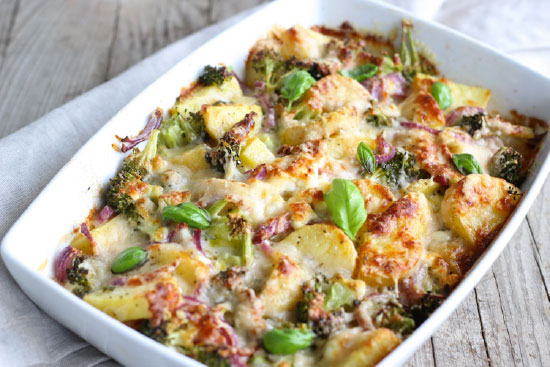
clean eating - pre-make your food
Image supplied by Pixabay

Organize Your Frig for Clean Eating

Keeping your fridge organized is also important and you can do this by sticking to this guide on how to store food safely

Top and Middle Shelf. – ready to eat foods.
Starting on the top shelf, it is best to kick things off with your dairy products. Cheese, yogurt and cream. Moving down to the middle shelf we find cooked meats and prepared salads. All ready-to-eat foods should be packaged and sealed, especially cooked meats. Storing these foods at the top of the fridge prevents them becoming contaminated by your raw meats.

Bottom Shelf – raw meats.
Fish, poultry and other raw meat should all be kept at the bottom of the fridge where they cannot drip or touch other foods. Keep each individual item wrapped and sealed. It may also be useful to store this on a tray which can be removed and cleaned to help reduce raw meat contaminating the shelf above your salad drawer.

Salad Drawers – vegetables, herbs and washed salad.
While the location of the salad drawer isn’t ideal, it is the best way of making the space in a domestic fridge work. Make sure all vegetables and salads are washed before storing and ideally wrapped, either in their packaging or in brown paper bags, protecting them from any contamination while allowing them to breath

Passing Clean Eating on to the Next Generation

There are plenty of recipes you can create using fresh ingredients that take less than 20 minutes to prepare. Stir fries are a fantastic way of getting food out quickly. Fresh fish can be grilled in under 15 minutes and served with steamed vegetables for a really healthy and delicious alternative to a ready meal.

Taking the time to prepare and organize your weekly dinners on the weekend will give you the freedom to cook quickly without reaching for the bad-for-you alternatives. It can help to create a meal planner so you know ahead of time what you are going to be eating and, also, get your children involved with the preparing. Even young children can help mix up eggs or collect different vegetables from the store.

In fact, use clean eating as a way to educate your children about diet and nutrition. Give them a great relationship with the foods they put in their bodies at a young age so they are more apt to maintain a healthy diet as they grow up. Raw carrots are often loved more than cooked carrots, but they aren’t the only vegetable that can be eaten raw. Broccoli, cauliflower and green beans can all be nibbled on by children while you share the importance of nutrition with them.

Take time to consider your future and the lessons you want to teach your children. There is a saying, “You are what you eat” — so think about that the next time you load your freezer up with cheap, popular ready-made meals.


[divider]

[one_third] Healthy Eating Worksheet [/one_third]
[two_third_last]

Take Charge of Your Health!

Changing your eating habits can be tough. But it doesn’t have to be if you take a little time to think it out and create a plan.

This Healthy Eating Worksheet will walk you through the process of creating a healthy eating plan. All you need to do is print it out, set aside some time to complete it, and then fill it out. Then you can create your plan, knowing that you have addressed potential obstacles and came up with some creative ways to handle them.

Download Now [/two_third_last]

Categories
Taste Tests

Taste Test: Happy Bars

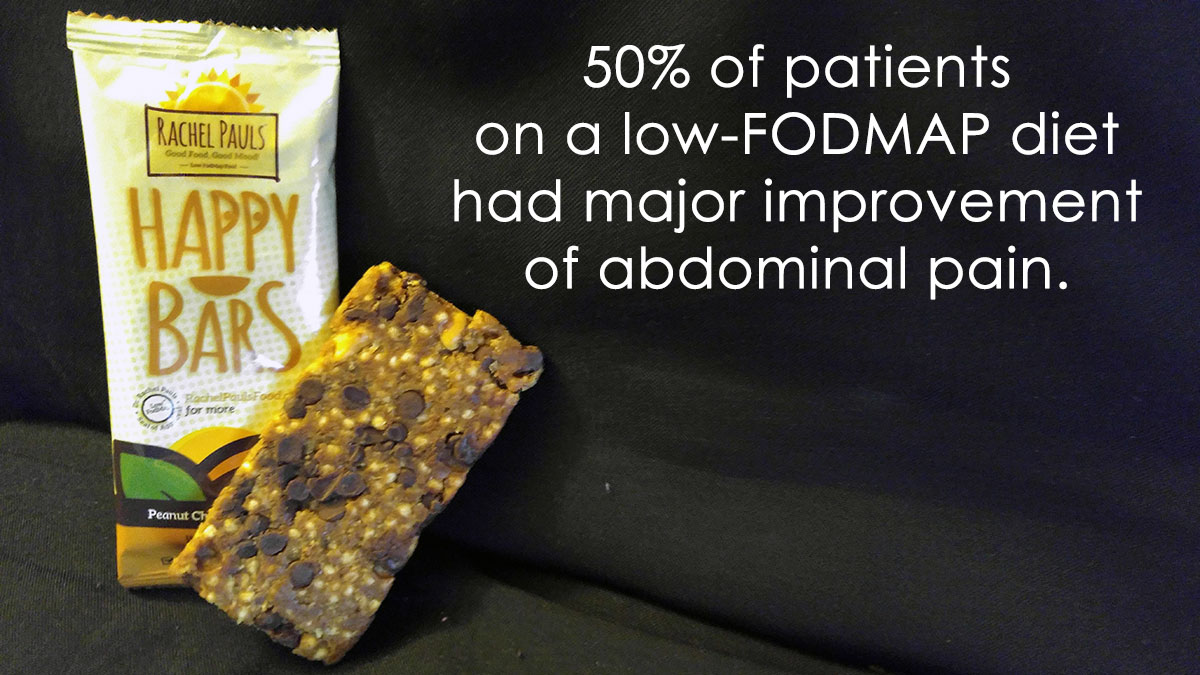
happy bars - peanut choolate euphoriaAs a long-time sufferer of Irritable Bowel Syndrome (IBS), I was intrigued when I was pitched the idea of sharing Happy Bars with you. According to the creator, Dr. Rachel Pauls, a board-certified surgeon and mother of three, a diet low in FODMAPs can help. She created Happy Bars to make low-FODMAP snack easy to find and tasty to eat.
FODMAP stands for “Fermentable, Oligo-, Di-, Mono-saccharides And Polyols” — yeah, say that three times fast! According to Wikipedia, FODMAPs are naturally present in food and the human diet.

Low-FODMAP eating is gaining recognition so rapidly that Newsweek recognized it as a 2017 food trend. However, success with a low-FODMAP diet involves a commitment. “Following a low-FODMAP diet can be complicated,” Dr. Pauls said. “FODMAPs are present in many different foods and food categories. Not all carbohydrates are high in FODMAPs, and combining low-FODMAP foods can even lead to a high-FODMAP food serving.”

Thus the creation of Happy Bars. I got to taste “Peanut Chocolate Euphoria” flavor.

What I Liked about Low-FODMAPs Happy Bars

The bar was tasty — as promised. I like snack bars with bits of nuts and grains, and this bar had the texture I liked. There was a sufficient amount of both peanut and chocolate to sate my cravings. This felt like a great snack bar for in-between meals.

What I Didn’t Like about Low-FODMAPs Happy Bars

I used it as my breakfast entree, because at 214 calories, I thought that would be enough. What I usually eat is around that amount. However, I was still hungry and had to eat a few more calories than I would prefer just to sate myself. So, I think it makes a great snack, but not a good meal replacement.

Right now, because of the damage to my teeth the accident last year caused, I have to eat foods that are soft. This bar, because it was quite chewy, wasn’t friendly to my sore teeth. However, I don’t think it would give anyone else an issue.

Overall Comments on Happy Bars

As far as snack bars go, this is a tasty option. And, if you have stomach or intestinal issues that are aggravated by FODMAPs, this is probably very heartening news. Snack bars are very subjective items, so give it a try and feel free to comment below with your experience.

Who are Happy Bars suitable for?

People looking for a tasty, low-FODMAP snack bars. If you are trying to avoid FODMAPs, Happy Bars from Rachel Pauls Food is an excellent option. They contain less than 0.5 grams of total FODMAPs per serving and are stamped with the Dr. Rachel Pauls Low-FODMAP Seal of Approval. The Seal, now marketed to other food companies, is based on the only known U.S. lab test being used to scientifically analyze and verify food as low-FODMAP.


Additional Informaton About FODMAPs

[divider]

[one_third] Healthy Eating Worksheet [/one_third]
[two_third_last]

Take Charge of Your Health!

Changing your eating habits can be tough. But it doesn’t have to be if you take a little time to think it out and create a plan.

This Healthy Eating Worksheet will walk you through the process of creating a healthy eating plan. All you need to do is print it out, set aside some time to complete it, and then fill it out. Then you can create your plan, knowing that you have addressed potential obstacles and came up with some creative ways to handle them.

Download Now [/two_third_last]

Categories
Recipes

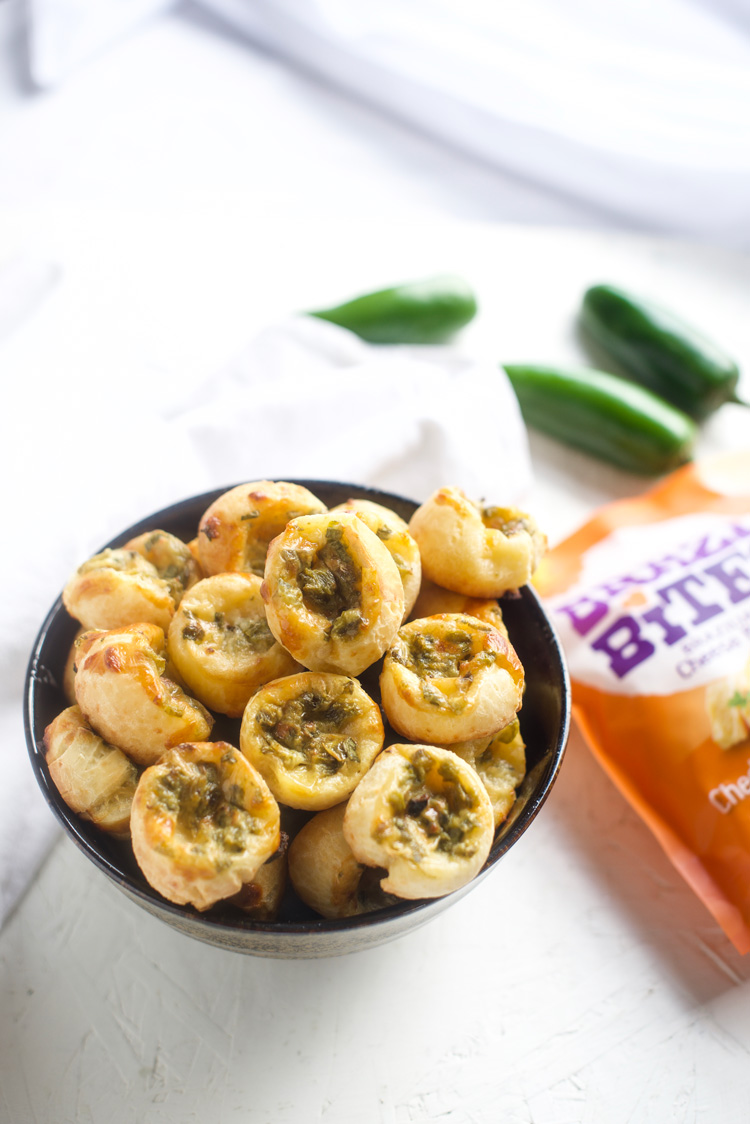
Brazi Bites Jalapeño Poppers

Recipe from Brazilian Flair in the USA

Ingredients:

Brazi Bites Jalapeño Poppers

  • 1 bag Brazi Bites, thawed
  • 4 ea. large jalapeños
  • 2 oz. shredded mozzarella
  • 1 oz. cream cheese
  • 1 T. green onions, diced

Directions:

  1. Cut the ends off of the jalapeños and slice down the middle. Clean out seeds and place flat side down onto a sheet pan.
  2. Brush lightly with oil and broil in oven until skin blisters.
  3. Peel the skin off of the jalapeños and dice small.
  4. In a medium bowl, mix diced jalapeños, mozzarella, cream cheese and green onions until combined.
  5. Place Brazi Bites onto an oiled sheet pan. With your finger, press down into the Brazi Bite to create a small indentation in the top.
  6. Place 1/2 tsp. of the jalapeño mix into the indentation.
  7. Place in a 400 degree F oven and bake for 15-20 minutes until deep golden brown.
  8. Serve warm.
Categories
Recipes

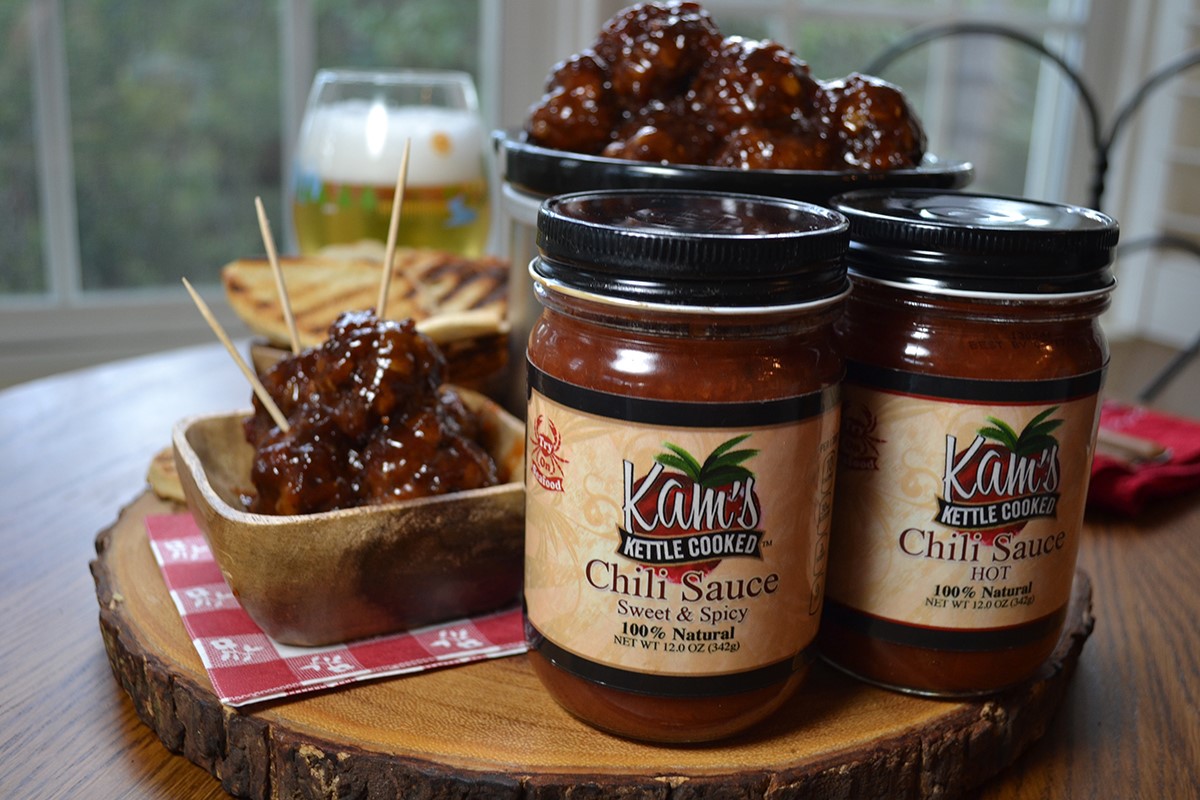
Sweet & Spicy Crock Pot Meatballs

Recipe courtesy of Kam’s Kettle Cooked Chili Sauce.

bbq meatballs

Ingredients:

  • 1 lb Ground Beef
  • ½ lb Ground Pork
  • 1-12oz Jar of Kam’s Chili Sauce (1/4 jar for the meatball mix)
  • ¾ C. Quaker Old-Fashioned Oats
  • 1 Egg
  • ¼ C. chopped onion
  • Salt & Pepper to taste
  • 1 tablespoon of fresh parsley
  • ½ teaspoon Worcestershire sauce
  • 1 (12 ounce) bottle of Kam’s Chili Sauce
  • 1 (10 ounce) jar of currant or grape jelly

Directions:

  1. Mix all ingredients (except for grape jelly & Kam’s Chili Sauce). Gently shape into 1-inch balls.
  2. Put meatballs in the oven on a cookie sheet until browned. Remove the meatballs.
  3. Pour the chili sauce and the grape jelly into the skillet and heat, stirring constantly and simmer, uncovered for about 30 minutes.
  4. To keep warm place into a crockpot and keep covered on low.

Cook’s Notes:

Use Welch’s grape jelly or Cranberry Sauce. This recipe works great with pre-cooked, frozen meatballs. Just eliminate all of the meatball ingredients in the recipe, warm the sauce as above, then stir in the frozen meatballs with the heated sauce. Simmer on low to warm the meatballs through well, about 20 minutes, gently stirring them several times, then transfer them to a crockpot to keep warm if you like.

Frozen Meatballs in the Crockpot:

Heat the sauce on the stovetop. Place frozen meatballs into the crockpot and follow the suggestion on the bag of your brand of meatballs for heating. Generally speaking, you will need to allow about 3 hours for the meatballs to be ready to serve; about 2 hours on high, then another hour on low. Freshly cooked meatballs will only need to be held in the crockpot on low.

Cocktail Sausages:

Substitute a pound of cocktail sausages for the meatballs, eliminate all other ingredients except for the chili sauce and grape jelly.

Categories
Special Occasions

Tips for Greener Tailgating

Photo provided by The Hungry Fan
By Daina Falk

Hanging out until the end of a tailgate, you can’t help but notice how much goes to waste. It’s 2016 and being green has gone from trendy to just what you gotta do. So here are some simple tips to keep in mind for your next tailgate so we can all have fun, eat awesome food but also do our part to help promote a cleaner planet:

1. Use a natural-gas or propane grill. Natural gas and propane grills are both more environmentally-friendly than their charcoal counterparts. Gas-powered grills produce about half the amount of carbon emissions as charcoal. (When producing 35,000 Btu’s per hour–a standard industry baseline–gas produces 5.6 pounds of carbon dioxide per house, compared to charcoal’s 11 pounds). Plus, most of the charcoal available on the market for grilling is pretty gross–it’s a combination of things like lighter fluid, cornstarch and sawdust and can result in 105 times more carbon monoxide when burned than propane.

2. Carpool to the tailgate/game. We already know carpooling to work–or just in general–is better for the environment. Game day is no different.

3. Bring a designated container for recyclables. At this point, people have become accustomed to recycling and tend to seek out a recycling bin. Be sure you’ve got one for them or everything will just get thrown in the trash, which would be unfortunate. Some waste management companies will even allow you to rent a recycling bin for larger groups, such as this company in Central Iowa who rents them for free.

4. Take home what you don’t finish. Leftovers can be delicious–especially tailgating leftovers. I can’t tell you how many times I’ve eaten my fill at the tailgate, gone into the game and cheered my head off–thereby working up an appetite–and returned home hungry again. Don’t throw away the food that doesn’t get eaten at your tailgate. Throw it into some Tupperware and take it home–heck, even use it to just save something to chow down on the way home!

5. Use environmentally-friendly plates, utensils and containers. The best way to go is to use reusable containers for food and beverages. But seeing as how most of us don’t bring our plates, glasses or forks from home, there are lots of other great Earth-friendly options. For starts, there are always paper products. Paper decomposes much faster in our landfills than plastic or Styrofoam do. You really should avoid Styrofoam at all costs–it takes hundreds of years to infinity to decompose. There are other great options besides paper as well. You can also buy containers, plates and utensils made from renewable plant fibers and even sugar cane. These kinds of products are actually biodegradable compostable (meaning that they basically dissolve back into the Earth, leaving no toxicity), are quite sturdy, less absorbent than paper, and are safe for hot and cold foods.

Here are some of my picks for great biodegradable tailgating gear:

1. 3-compartment plates: I don’t always love it when my different foods touch (i.e. ranch dip making its way onto my burger). Sure, they all end up in the same place, but I like to enjoy each individual flavor…individually. I like these plates because they allow me to do just that–and they’re $.50 apiece, which is a pretty sweet deal.

2. Biodegradable bowls: a 20-pack for $2.00. Sounds like a deal to me. And they compost back into the Earth in about 90 days? Yes please.

3. Earth-friendly forks that look just like plastic forks: I’ve tried the wooden forks because they’re environmentally friendly and I so wanted to like them. Alas, those wooden ones are like so dry that they stick to your tongue and your lips and it’s just not great. I know. A small part of me wonders about splinters… I like these forks so much more because they look and feel like plastic forks but they’re 100% biodegradable and they’re actually microwavable. This link gets you a whole pack of 500 forks for less than $.25 each. Not bad.

4. 16 oz. compostable cups: A big cup for big beers, mixed drinks, etc. I wouldn’t ever suggest anything smaller…who can play beer pong in a 7 ouncer? Come on. We know better. I dig these. They look like regular plastic cups but they aren’t–they’re actually made from a bi-product of corn. Pretty cool.

Healthy Fangating™ Fare

When you think of game day eats, the word “healthy” doesn’t quickly come to mind. This I know and wholeheartedly acknowledge. But when I got started in this business, it was after I had lost 60 lbs., was committed to keeping it off, but was not willing to give up my once-a-week cheat day that for me is spent tailgating or homegating, or collectively as I call it, Fangating. So I came up with new, healthier spins on game day favorites that included more nutrient-dense foods, smart substitutions, and overall healthier preparations. The three recipes that follow feature lots of yummy, nutritious veggies; Greek yogurt in lieu of sour cream; sweet potatoes in place of other kinds of potatoes (which lack the same nutrients that sweet potatoes possess); nuts and leaner proteins; and are baked instead of fried. Whether you’re spectating at (or before) a sporting event or refueling after participating yourself, these are tasty, more sensible riffs on the dishes you might have otherwise avoided. Enjoy!


About the Author

“Fangating™” expert and celebrity cook Daina Falk, founder of the Hungry Fan®, is author of The Hungry Fan’s® Game Day Cookbook, which includes 165 Fangating™ recipes—including 40 that she collected from Olympians and professional athletes like LeBron James, Boomer Esiason, Michael Jordan and Andre Agassi! Daina merges sports, food and entertaining (including tailgating and homegating) to celebrate and curate game day revelry like none other. Reach her online at www.HungryFan.com.

Categories
Recipes

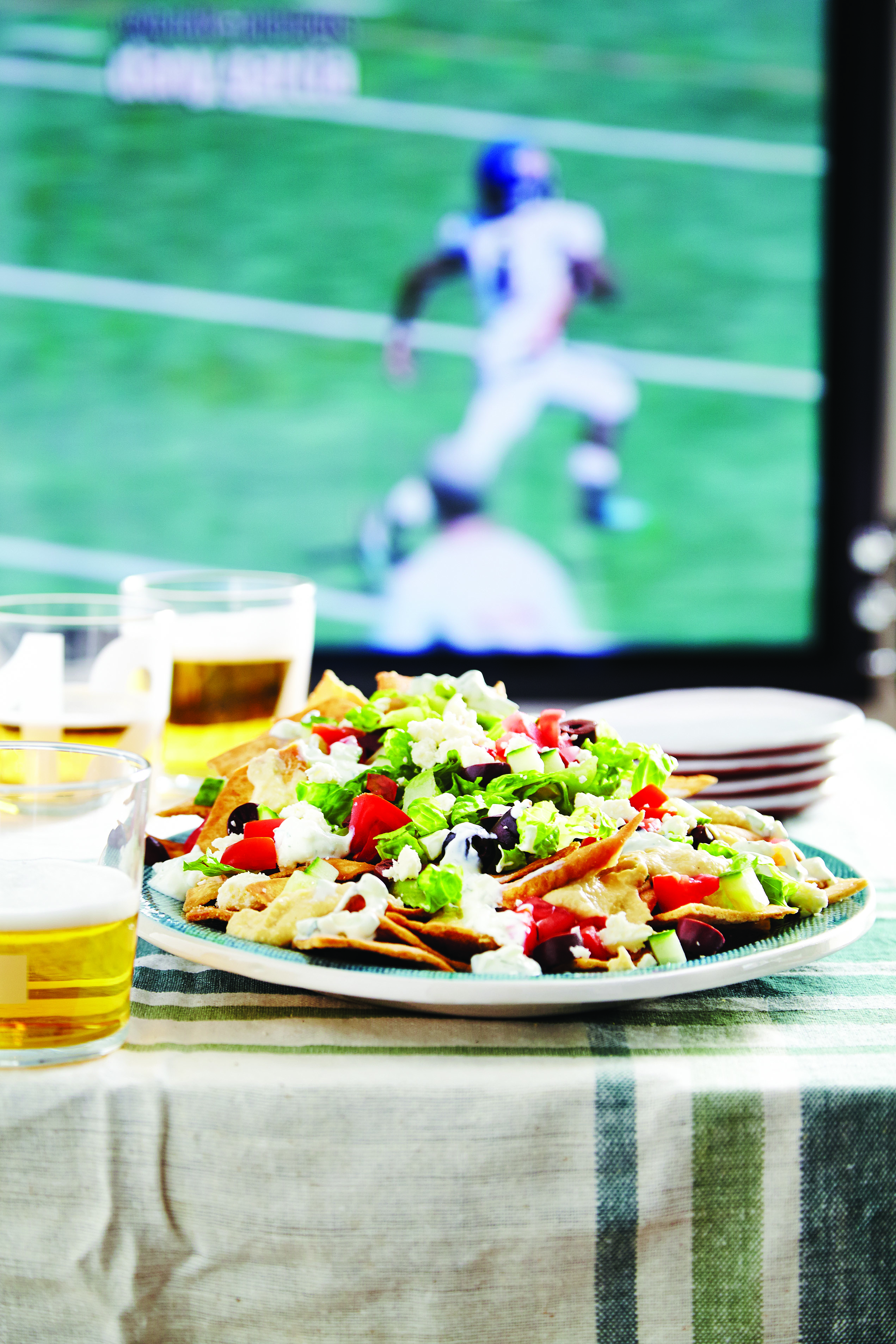
Mediterranean Nachos

Photo provided by The Hungry Fan
By Daina Falk

I have to admit it—I’m a total nacho fiend. Whether I’m watching the game from the stands or on the couch at home, there are few things I find more satisfying than a plate of crunchy, cheesy nachos. I love playing around with different flavors, which is how I came up with my Mediterranean nachos—a healthier and more interesting riff on the classic dish. Preparing fresh hummus and tzatziki makes all the difference in this awesomely easy snack.

Ingredients:

  • 1 (8-ounce) bag baked pita chips
  • 2/3 cup thinly sliced romaine lettuce
  • 1/2 cup Kalamata olives, chopped
  • 2/3 cup diced tomatoes
  • 1/2 cup crumbled feta cheese

Hummus

  • 1 (15.5-ounce) can chickpeas
  • 3 tablespoons tahini
  • 4 to 5 ice cubes
  • Juice of 1 lemon
  • 2 cloves garlic, peeled and crushed
  • 2 tablespoons extra virgin olive oil

Tzatziki

  • 1 cup reduced-fat (2%) plain Greek yogurt
  • 2 cloves garlic, peeled and crushed
  • Juice of 1 lemon
  • 2 tablespoons extra virgin olive oil
  • 1 sprig dill, finely chopped
  • 1 small cucumber, half minced, half diced
  • Sea salt and freshly ground black pepper

Directions:

  1. Make the hummus: Drain the chickpeas, and skin them by placing them in a single layer on a paper towel and rubbing gently; the skins will come right off with your fingers. Place in a food processor with the tahini, blend, and then drop in the ice cubes one by one to create a very smooth texture. Transfer to a bowl, and add the juice of 1 lemon, 2 crushed garlic cloves, and 2 tablespoons olive oil. Mix well. If you want a thinner consistency (similar to nacho cheese or refried beans), stir in 1 tablespoon water.
  2. Make the tzatziki: Combine the Greek yogurt, 2 crushed garlic cloves, the juice of 1 lemon, and 2 tablespoons olive oil, the dill, minced cucumbers, and salt and pepper to taste in a bowl. Stir thoroughly so all ingredients are evenly incorporated.
  3. Lay out the pita chips on a tray or serving plate. Top with 3⁄4 cup of the hummus and 3⁄4 cup of the tzatziki, and sprinkle with the diced cucumbers, lettuce, olives, tomatoes, and feta. Serve immediately with any leftover hummus and tzatziki on the side.

About the Contributor

“Fangating™” expert and celebrity cook Daina Falk, founder of the Hungry Fan®, is author of The Hungry Fan’s® Game Day Cookbook, which includes 165 Fangating™ recipes—including 40 that she collected from Olympians and professional athletes like LeBron James, Boomer Esiason, Michael Jordan and Andre Agassi! Daina merges sports, food and entertaining (including tailgating and homegating) to celebrate and curate game day revelry like none other. Reach her online at www.HungryFan.com.

Categories
Recipes

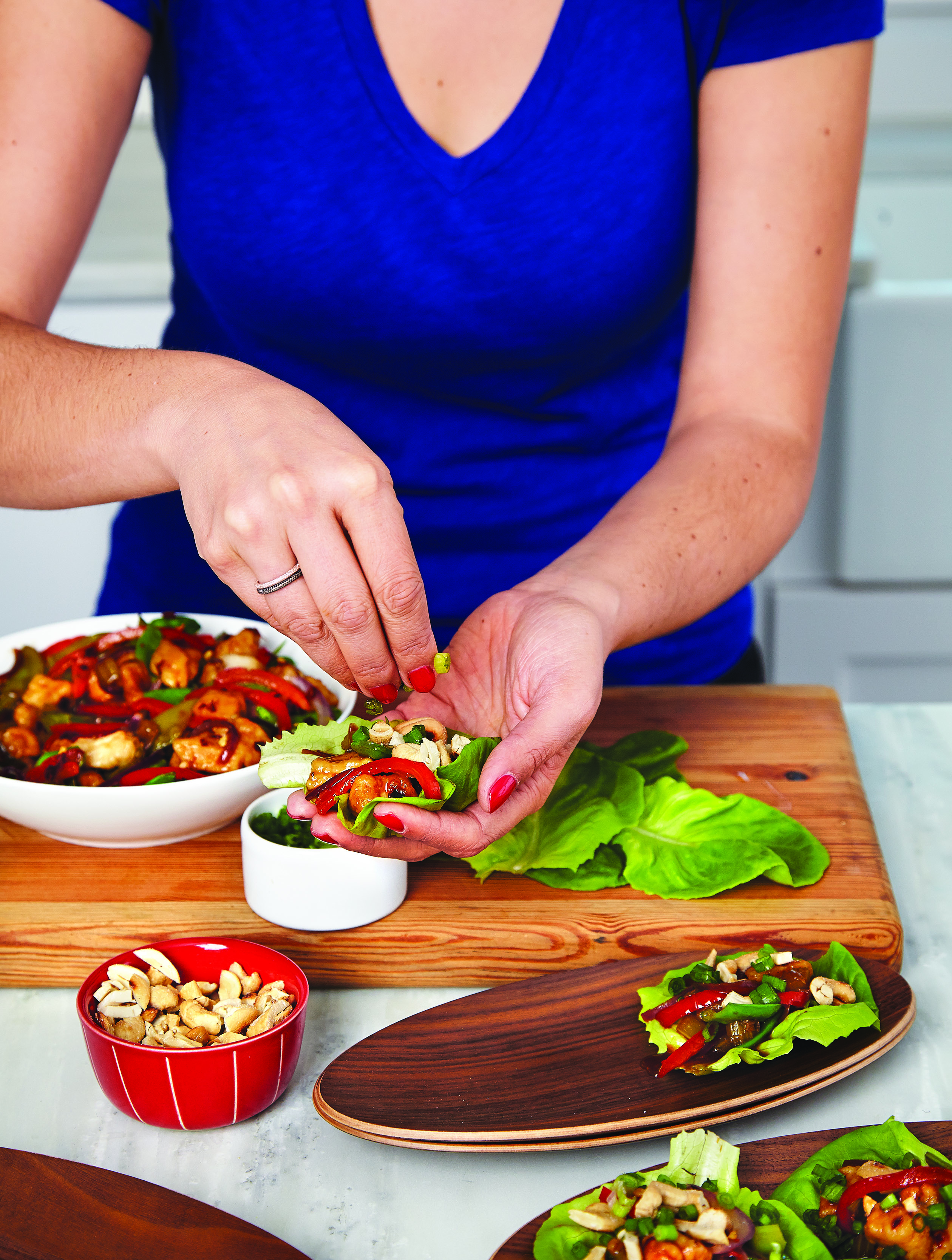
“Go for Gold” Chicken and Cashew Lettuce Wraps

Photo provided by The Hungry Fan
By Daina Falk

Shaun White, America’s most famous snowboarder, has competed in three consecutive Winter Olympic Games. And he’s got two gold medals to show for it. Pretty remarkable if you ask me. Shaun has publicly shared that his favorite cuisine is Chinese, so I created this recipe in homage to the King of Snowboarding. This is a delicious and athlete-approved spin on the classic chicken with cashew stir-fry. I cut down on the fat by using chicken breasts instead of thighs and opted to couch this protein-packed entrée in lettuce, rather than serving it traditionally atop white rice. This way you’ve got an easy and tasty finger food recipe for your fangate.

Ingredients:

  • 3 tablespoons vegetable oil
  • 1 1/4 pounds boneless, skinless chicken breasts, chopped into 1/4-inch pieces
  • 2 tablespoons cornstarch
  • 1/2 teaspoon crushed red pepper flakes
  • 1/2 teaspoon sea salt
  • 1/4 cup finely chopped green onion bulbs, plus 2 tablespoons thinly sliced green onion tops
  • 1 tablespoon minced garlic
  • 1 tablespoon minced fresh ginger
  • 8 ounces snow peas, ends and threads removed, thinly sliced on the diagonal (about 2 cups)
  • 1 large red bell pepper, julienned (about 1 cup)
  • 1/2 red onion, thinly sliced (about 1 cup)
  • 2 stalks celery, peeled and diced
  • 1/4 cup chicken stock
  • 1/4 cup hoisin sauce
  • 2 tablespoons low-sodium soy sauce
  • 2 tablespoons rice vinegar
  • 1/2 cup roasted cashews
  • Freshly ground black pepper
  • 16 Boston bibb or butter lettuce leaves

Directions:

  1. Heat the oil in a wok or a large skillet over high.
  2. Place the chicken, cornstarch, red pepper flakes, and salt in a large zip-top plastic bag, and shake to coat.
  3. When the oil is hot, add the chicken, and cook for 5 to 6 minutes, until the chicken turns opaque and is lightly browned. Transfer to a paper towel-lined plate to drain.
  4. Reduce the heat to medium-high. Add the green onion bulbs, garlic, ginger, snow peas, red bell peppers, onions, and celery to the wok, and cook for 3 to 4 minutes, stirring often, until tender-crisp. Transfer the vegetables to a plate.
  5. Stir together the chicken stock, hoisin sauce, soy sauce, and vinegar in a small bowl. Add to the wok, and stir with a wooden spoon to remove any browned bits from the bottom of the pan. Reduce the heat, and simmer the sauce for 1 to 2 minutes, or until slightly thickened. Return the chicken and veggies to the wok, and toss to coat everything well. Add the green onion tops and roasted cashews, season with pepper, and toss again.
  6. Transfer the stir-fry to a serving bowl with a spoon. Serve with the lettuce leaves for wrapping.

About the Contributor

“Fangating™” expert and celebrity cook Daina Falk, founder of the Hungry Fan®, is author of The Hungry Fan’s® Game Day Cookbook, which includes 165 Fangating™ recipes—including 40 that she collected from Olympians and professional athletes like LeBron James, Boomer Esiason, Michael Jordan and Andre Agassi! Daina merges sports, food and entertaining (including tailgating and homegating) to celebrate and curate game day revelry like none other. Reach her online at www.HungryFan.com.

The owner of this website has made a commitment to accessibility and inclusion, please report any problems that you encounter using the contact form on this website. This site uses the WP ADA Compliance Check plugin to enhance accessibility.